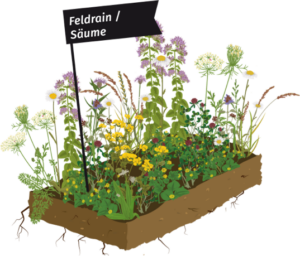
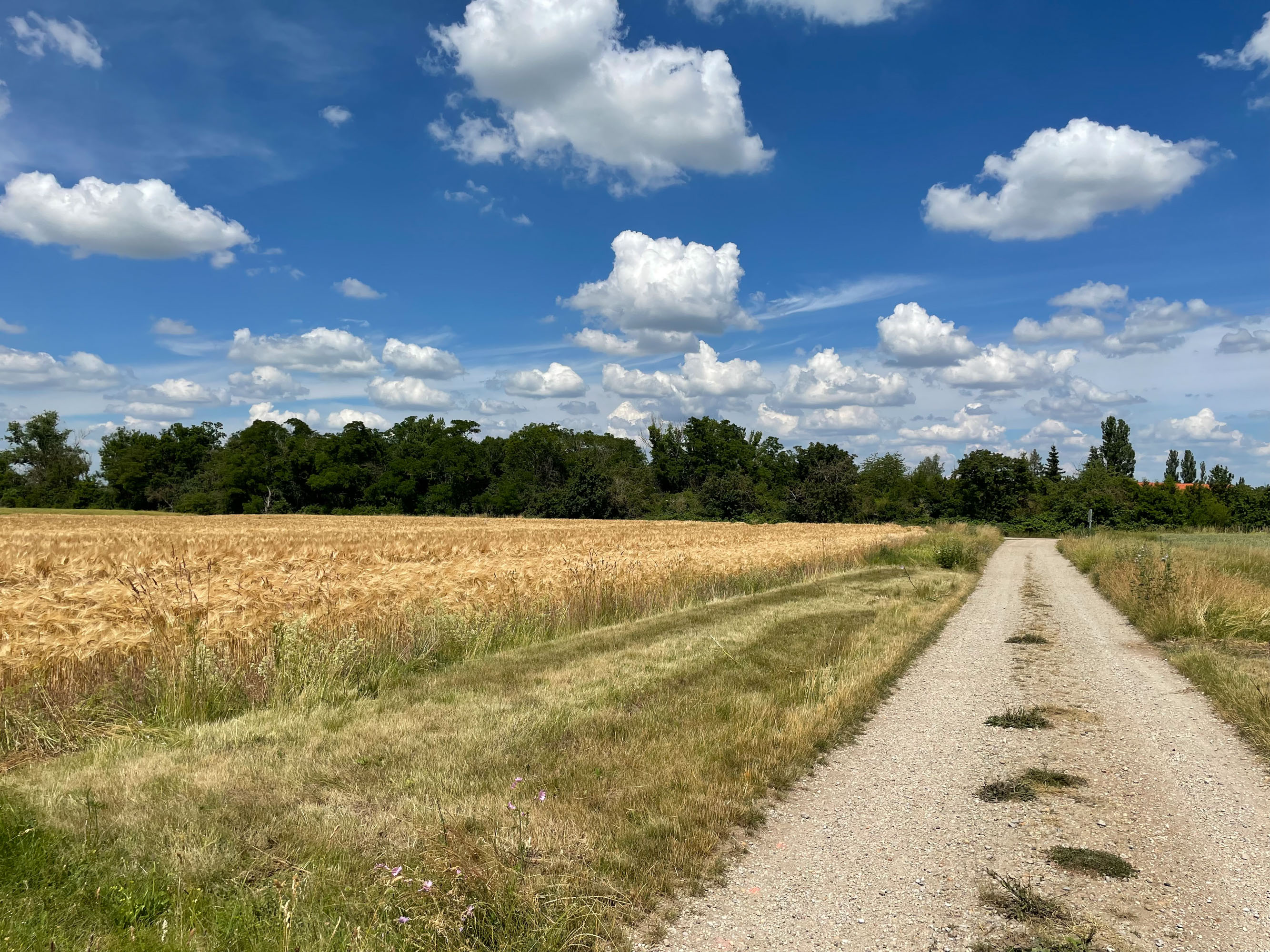
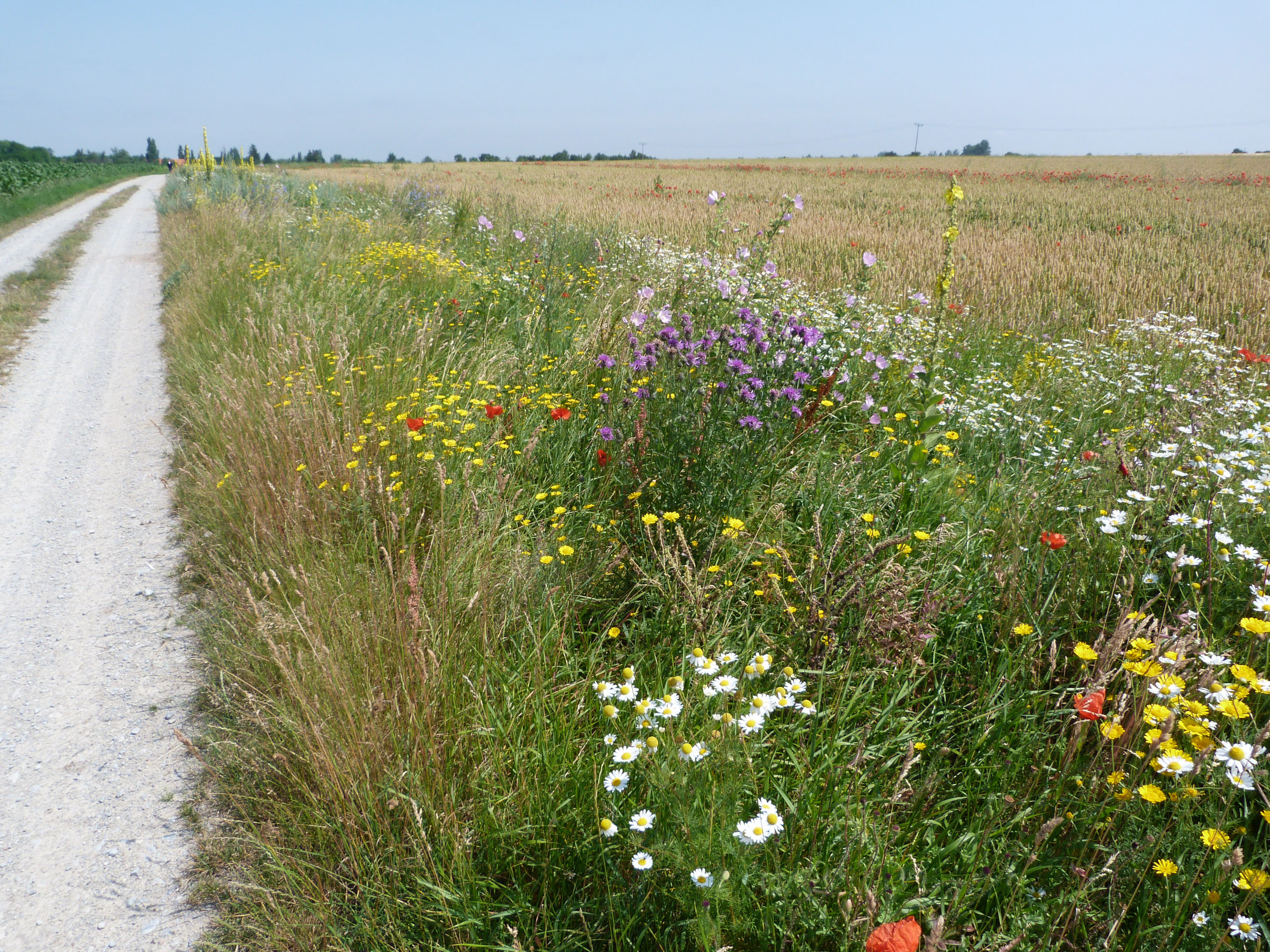
Feldraine / Säume

permanent

medium effort

Requirements

Seed costs:

variable, approx. 2,000-3,000€/ha plus tillage

The costs for seeding mixtures can vary greatly depending on the species composition, whereby the species are selected according to the engineering-biological requirements and the nature conservation requirements.

Machinery requirements:

Cultivator, harrow, roller, tiller, seed drill, plough, mower, flail or chopper

Implementation period:

- Mid-August to the end of September - (alternatively early March to early April, but risk of severe developmental delay and poor establishment in spring and summer drought)

Implementation
step-by-step instruction

1. Site selection

Suitable locations are:

  • in the open fields
  • along agricultural roads
  • between grassland and arable land
  • in south to west-facing locations in front of woody structures (hedges, forest edges)

Minimum width:

  • preferably 3 m, better 4 m, the wider, the more effective the measure

Anlagetermin

  • Mitte August bis September
  • alternativ Anfang März bis Anfang April, aber Gefahr starker Entwicklungsverzögerung und schlechter Etablierung bei Frühjahrs- und Sommertrockenheit


Seed selection

Saxony-Anhalt is located in the areas of origin ‘4 - East German lowlands’ and ‘5 - Central German lowlands and hills’. The seed used should originate from these regions.

map of regions

Seed ordering

  • Place your order as soon as possible (long delivery times possible)
  • Sowing rate: 20 kg/ha
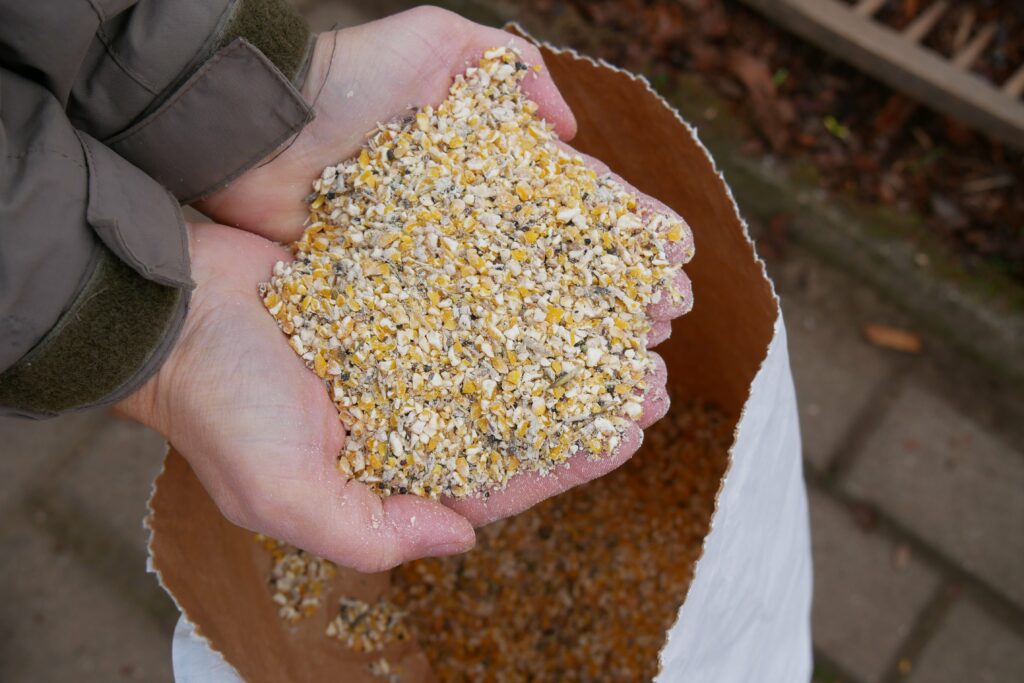
  • Mixing with filler (soya meal or crushed maize) to approx. 100 kg/ha (total application rate, can be ordered ready-mixed from the companies) -> to avoid segregation, for even application
  • Seed costs approx. 3000 €/ha (netto)


Sources of supply for certified regional wild plant seeds in Germany:
VWW-Regiosaatgut über Verband deutscher Wildsamen- und Wildpflanzenproduzenten e.V.

RegioZert über Bundesverband Deutscher Pflanzenzüchter e. V. 

Seeds with filler, Copyright © Photo: P. Seeligmann

Seedbed preparation

Thorough tillage (stubble cultivation, tilling, cultivating) to produce a fine-crumb seedbed for fine seed sowing (such as arable forage sowing or grassland) must be carried out in preparation.

Sowing

Crucial for successful sowing:

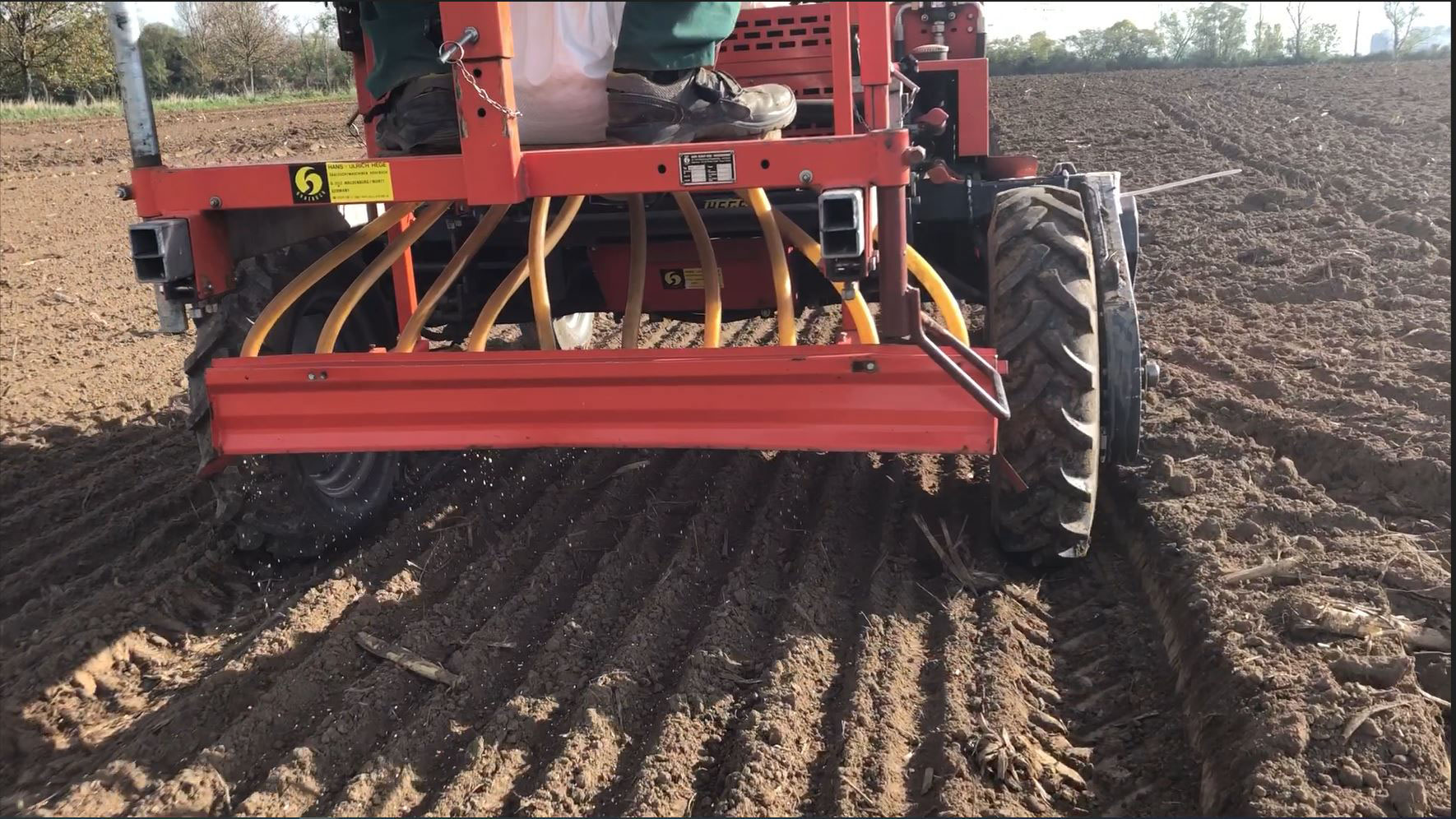
  • Sow seeds on the surface (light germinators)
  • Do NOT drill in but only ‘trickle on’ -> the light-coloured pieces of the filler must be visible on top of the soil
  • Harrow + seed coulters up!

The seed must NOT be worked into the soil like other crops. Very shallow sowing on the soil surface is necessary due to the many light germinators.

Sowing, Copyright © Foto: H. Grewe

Rolling

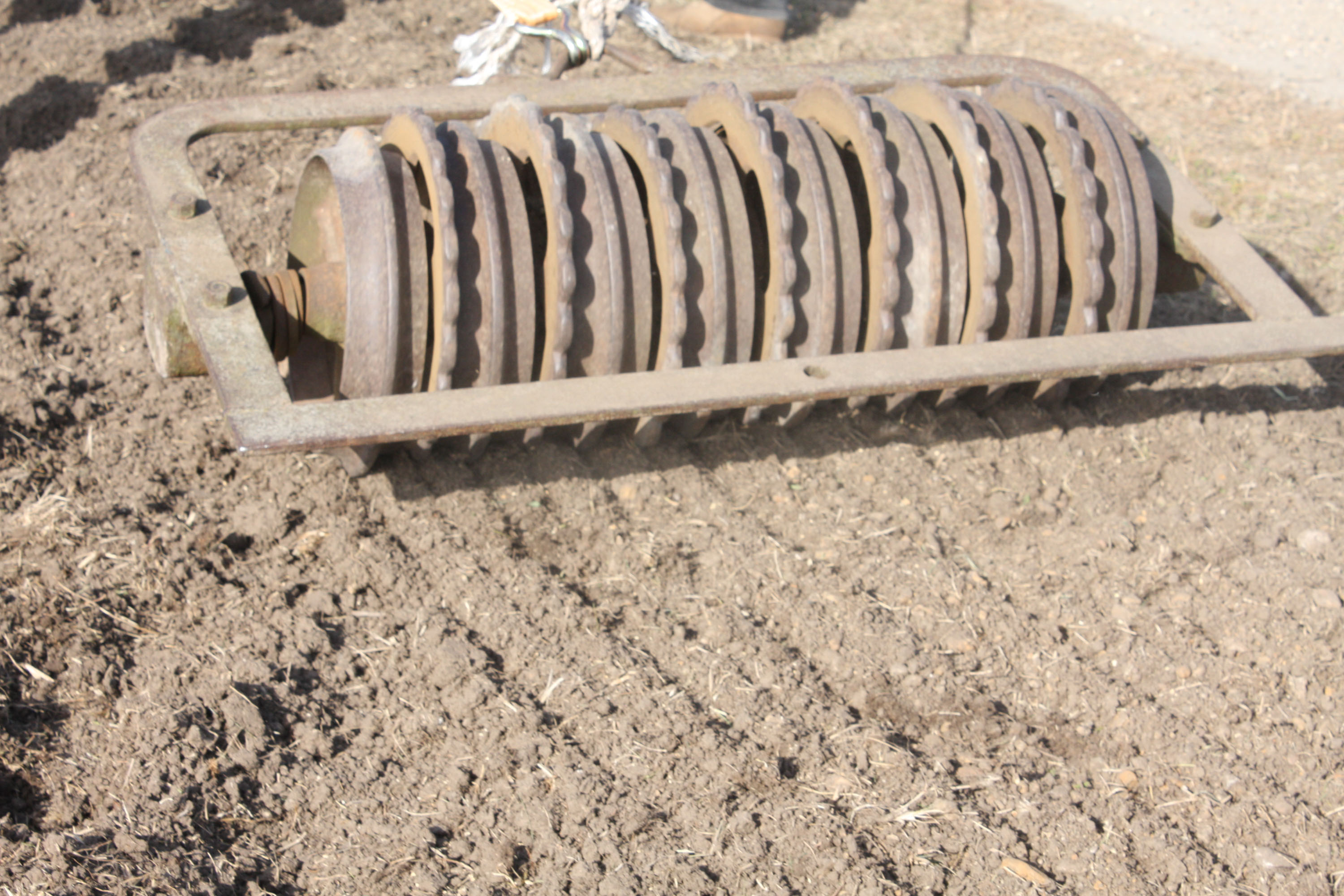
Rolling after seeding is important for good contact of the seeds to the soil, which they need to germinate successfully.

Rolling, Copyright © M. Schrödter

Patience! Patience! Patience!

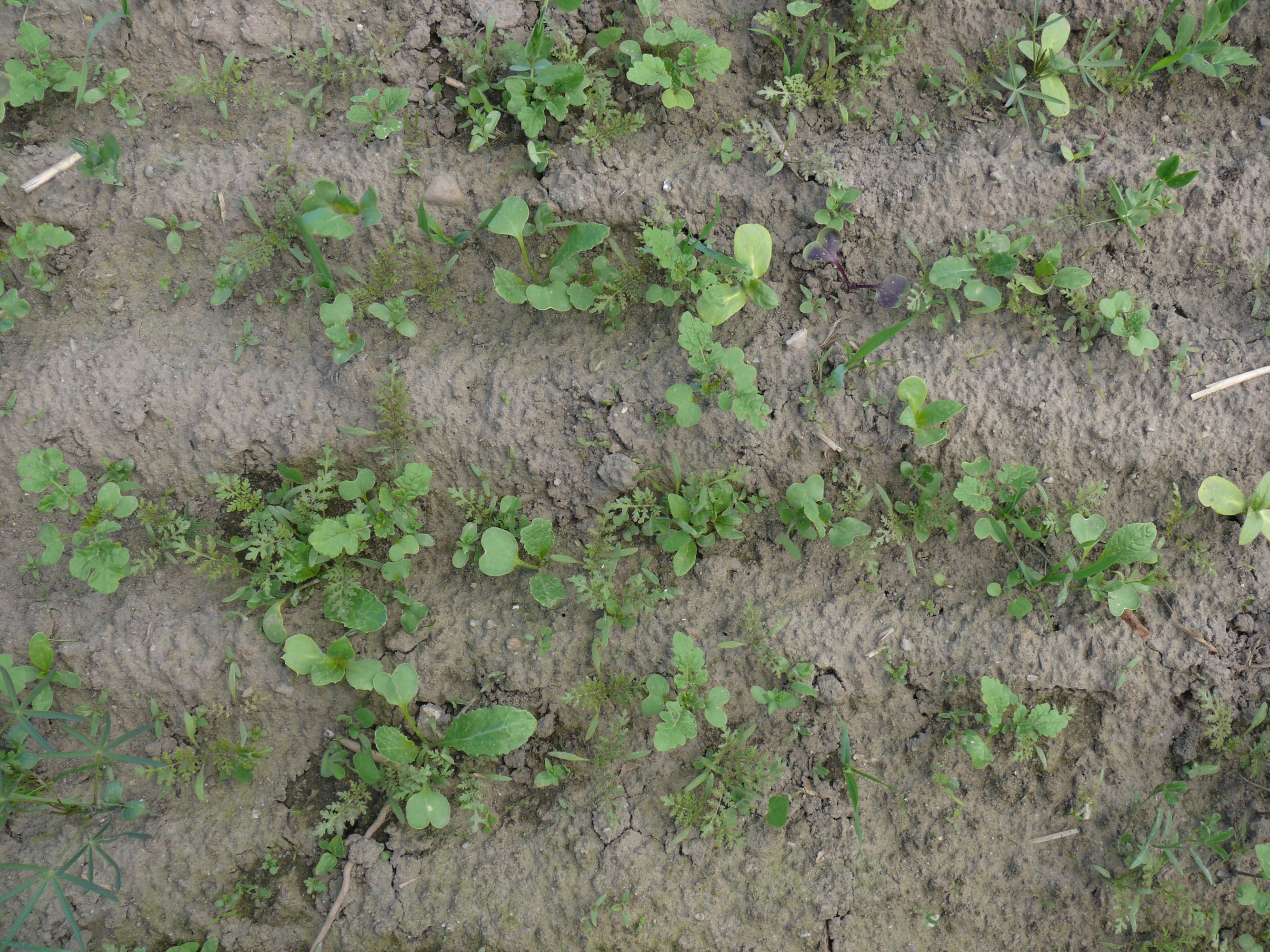
  • The germination of wild plants is inconsistent and sometimes very delayed.
  • Many wild plants grow more slowly than cultivated species in the first few months and initially look like unwanted weeds.

Give the wild plants time to develop and preferably come back in spring or 3 - 4 months after sowing! Until then be patient!

Background information

Wild plant seeds develop differently from agricultural crops. For some species, the seed coat must be broken down by cold or prolonged dampness. Not all seeds germinate at once, which helps to spread the risk and prevents total crop failure, for example due to drought shortly after germination. Many wild plants grow more slowly than cultivated species in the first few months. Please therefore be patient after sowing.

Patience! Copyright © Foto: A. Kirmer

Care
step-by-step instruction

Development care in the 1st and 2nd year after sowing

The general rule is:

  • as little as possible, but as much as necessary
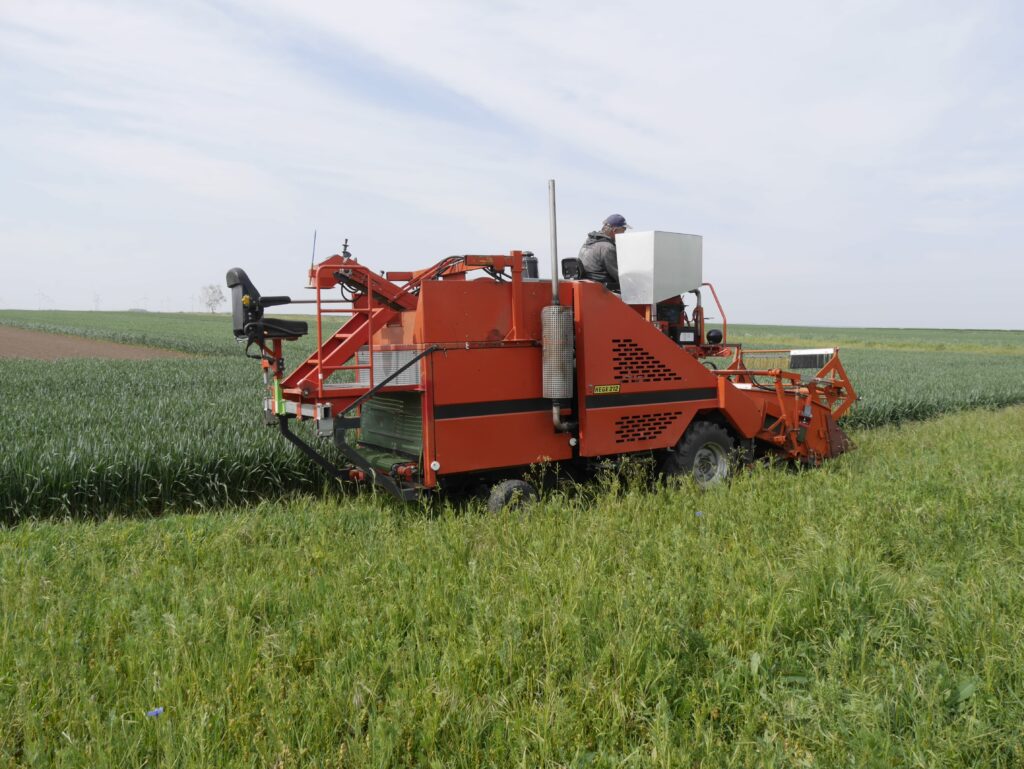
  • maintenance (2-3 cupping cuts depending on the location) is highly recommended

When?

  • with heavy weed pressure (e.g. dense stands of tansy mustard, white goosefoot, barren broom)
  • 2-3 cupping cuts in May/June and July/August depending on location, climate and weather conditions
  • when the plants are about knee-high
  • for autumn sowings, possibly still in the same year

How?

  • Cutting height at least 10-15 cm (to protect the sown young plants)
  • Additional targeted mowing of partial areas (e.g. thistle, burdock)
  • In dry weather/low biomass, the mown material can remain on the area as protection against evaporation; otherwise remove the biomass
cupping cut, Copyright © Foto: A. Kirmer
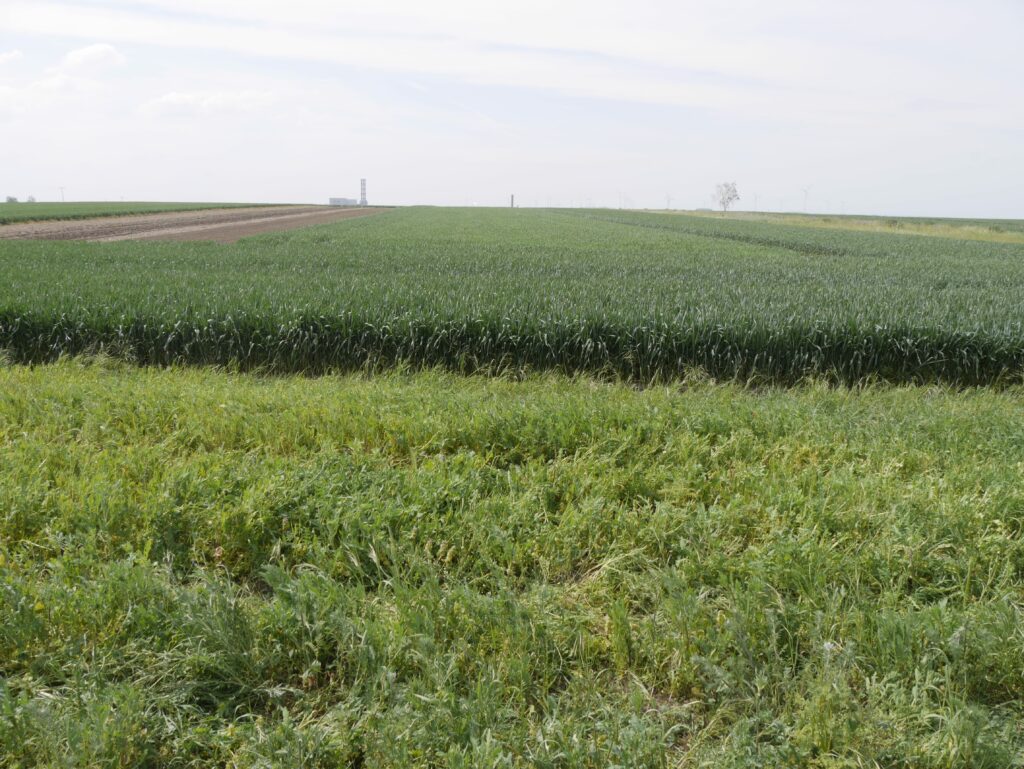
area after cupping cut, Copyright © Foto: A. Kirmer
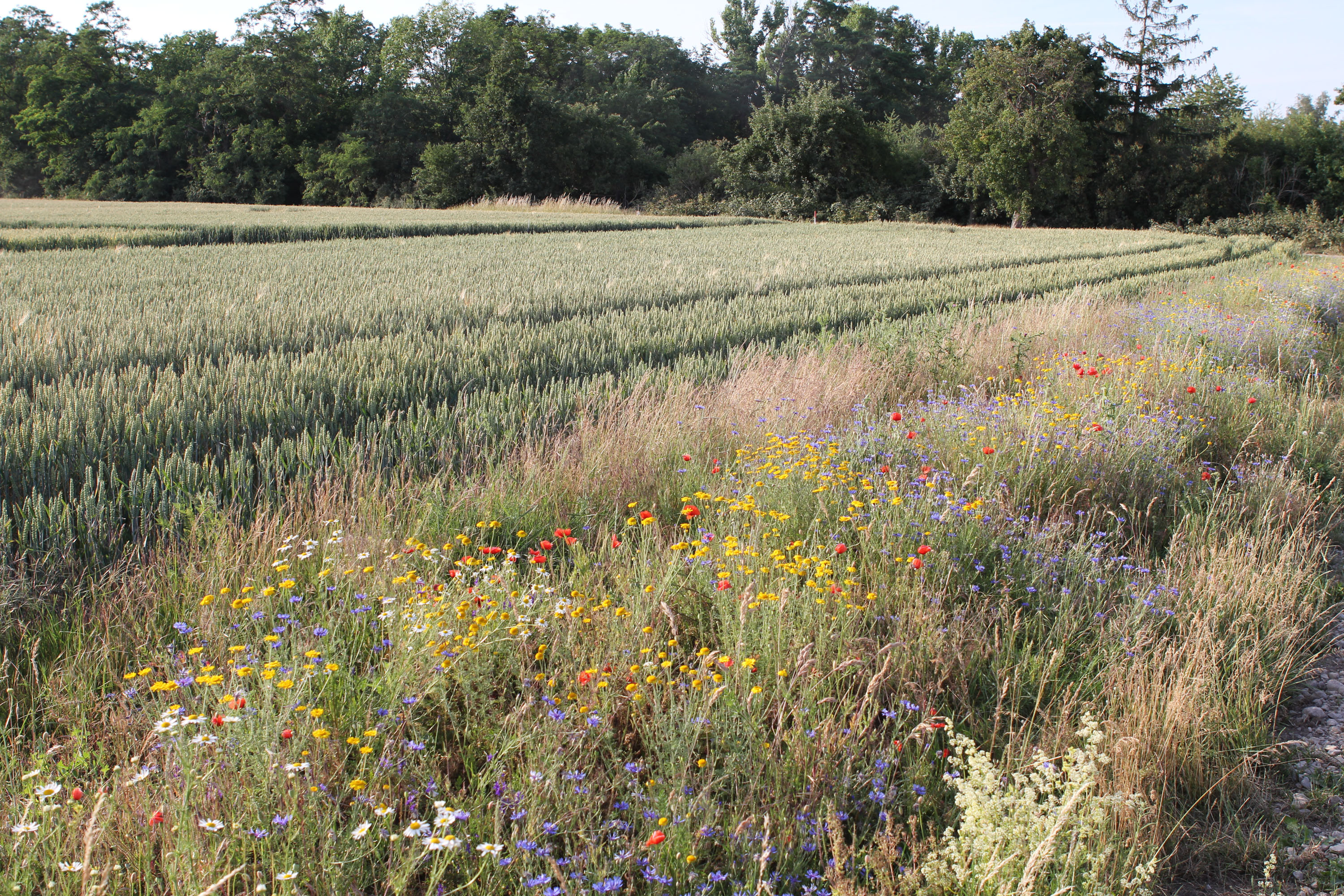
Flowering aspect in the first year, Copyright © Foto: A. Kirmer

Breeding and birthing season

During the breeding and nesting season from 1 April to 30 June, maintenance cutting should be avoided where possible, unless, for example, a heavy growth of problematic species necessitates a cut.

Maintenance care from the 2nd year onwards

Mowing in sections to preserve refuge areas

  • Ideal: mow in two stages, 8–10 weeks apart (e.g. first the left-hand side of the path, then the right-hand side)
  • Nutrient-rich, productive land with rainfall of around 500 mm:
    • Mow one half/side of the path early (between mid-May and mid-June), and the other half 8–10 weeks later
  • Areas with lower nutrient levels can still be mown in mid- or late summer
  • In very nutrient-poor conditions, a portion of the area that changes each year may be left unmown, depending on biomass development

Important Always clear away any cuttings!

Mowing in sections with removal of cuttings, Copyright © Photo: H. Grewe
Successful implementation, Copyright © Photo: R. Seifert

Ecological impact

Flower-rich field margins and fringes are typical elements of old Central European cultivated landscapes that serve as habitats and food sources for numerous plant and animal species. These linear, predominantly wood-free structures are usually located between or alongside agricultural land and are important connecting elements between different habitats and contribute to erosion control.

Due to the current lack of or unsuitable management (generally too deep, frequent and late mulching), there are often only species-poor fragments left, especially in intensively utilised agricultural regions, which are dominated by highly competitive grasses. In addition to widening existing edges and field margins, the aim is also to increase the proportion of herbs (valuable margin species) and reduce the proportion of grasses in the overall cover, thereby increasing the supply of feeding, breeding, migration and retreat areas for wild animals and enhancing the landscape. When upgrading and creating new species-rich field margins, it is particularly important to use regionally produced and certified wild plant seeds or to utilise existing donor areas, as this gives species that were previously common in the region the opportunity to re-establish themselves in the landscape. Sufficiently wide field margins (at least 10 metres wide) can be used by local shepherds as grazing/driveways.

Praxisleitfaden zur Etablierung und Aufwertung von Säumen und Feldrainen (Kirmer et al. 2019)

Maßnahmenblatt Säume und Feldraine (offenlandinfo.de)

Leitfaden zur Beurteilung von Feld-, Wiesen- und Wegrainen. Pflegeempfehlungen – Zielarten – Problemarten (Stiftung Naturschutz Thüringen 2024)

Poster zur Etablierung und Pflege artenreicher Feldraine auf produktiven Standorten im Mitteldeutschen Trockengebiet (Tischew et al. 2022)

Informationen zu weiteren Begrünungsmethoden wie Mahdgutübertragung sind im Informationssystem Naturnahe Begrünungsmaßnahmen zu finden 

Flyer zu Mahdgutübertragung

Video: Wiederherstellung und Pflege artenreicher Feldraine (Hochschule Anhalt 2021)

English (UK)
Consent Management Platform by Real Cookie Banner