Exclusive use of native, certified wild herbs (VWW-Regiosaaten®, RegioZert®)
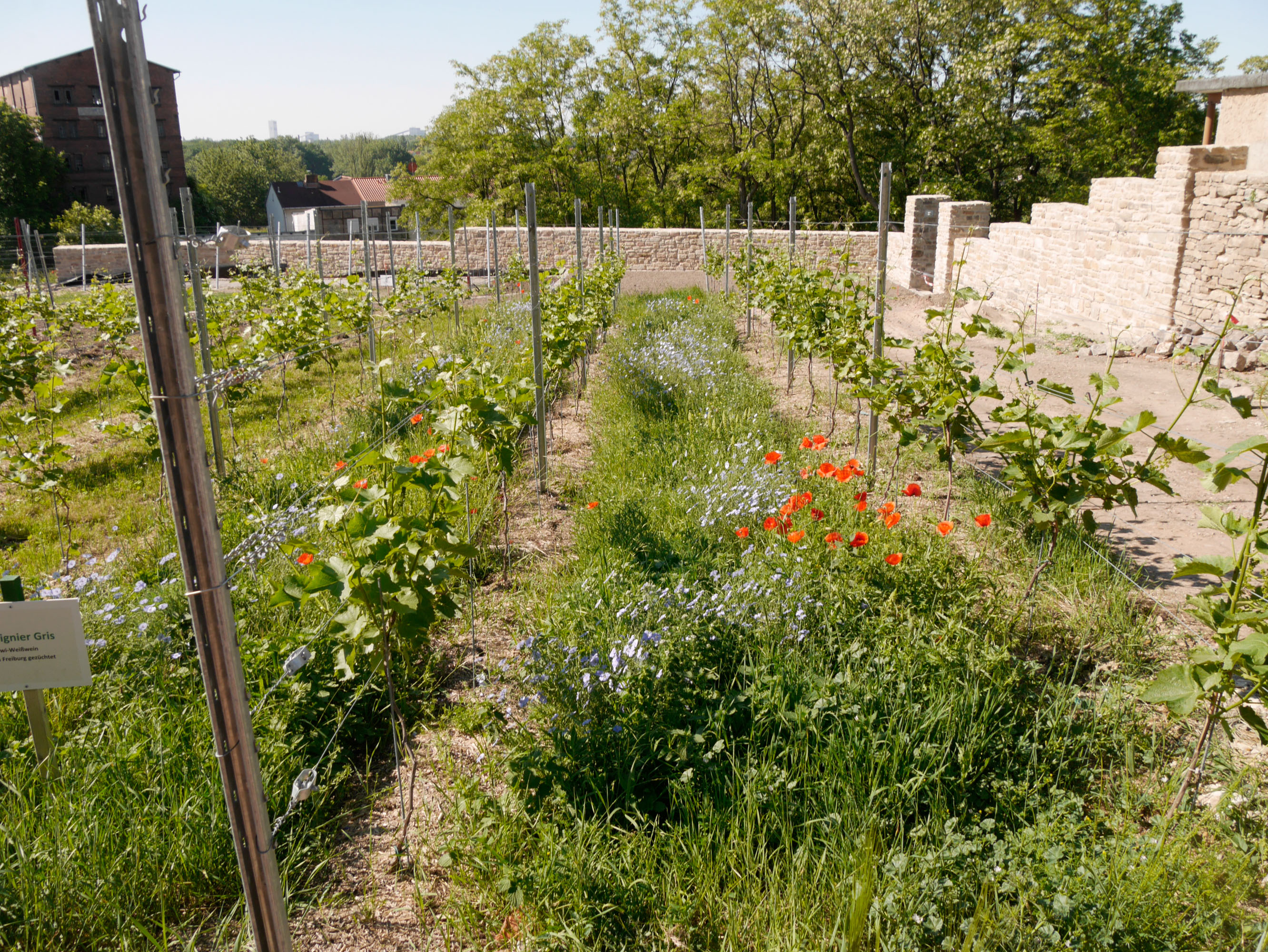
30–40 species of wild plants per mixture for the central strip
5–10 hardy grasses and herbs, which can tolerate being driven over, for the track surfaces
trip
Saxony-Anhalt is located in the areas of origin ‘4 - East German lowlands’ and ‘5 - Central German lowlands and hills’. The seed used should originate from these regions. map of regions
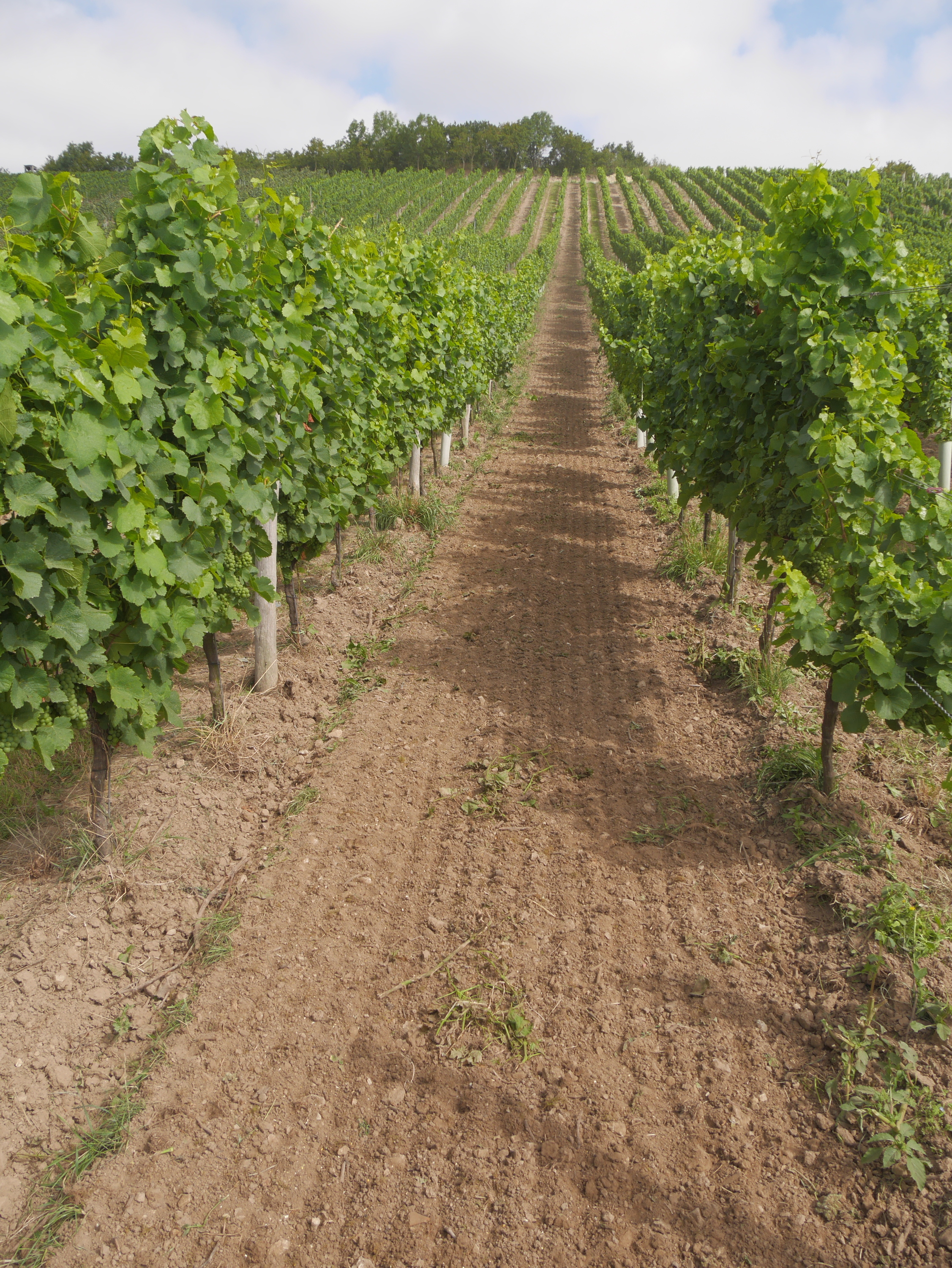
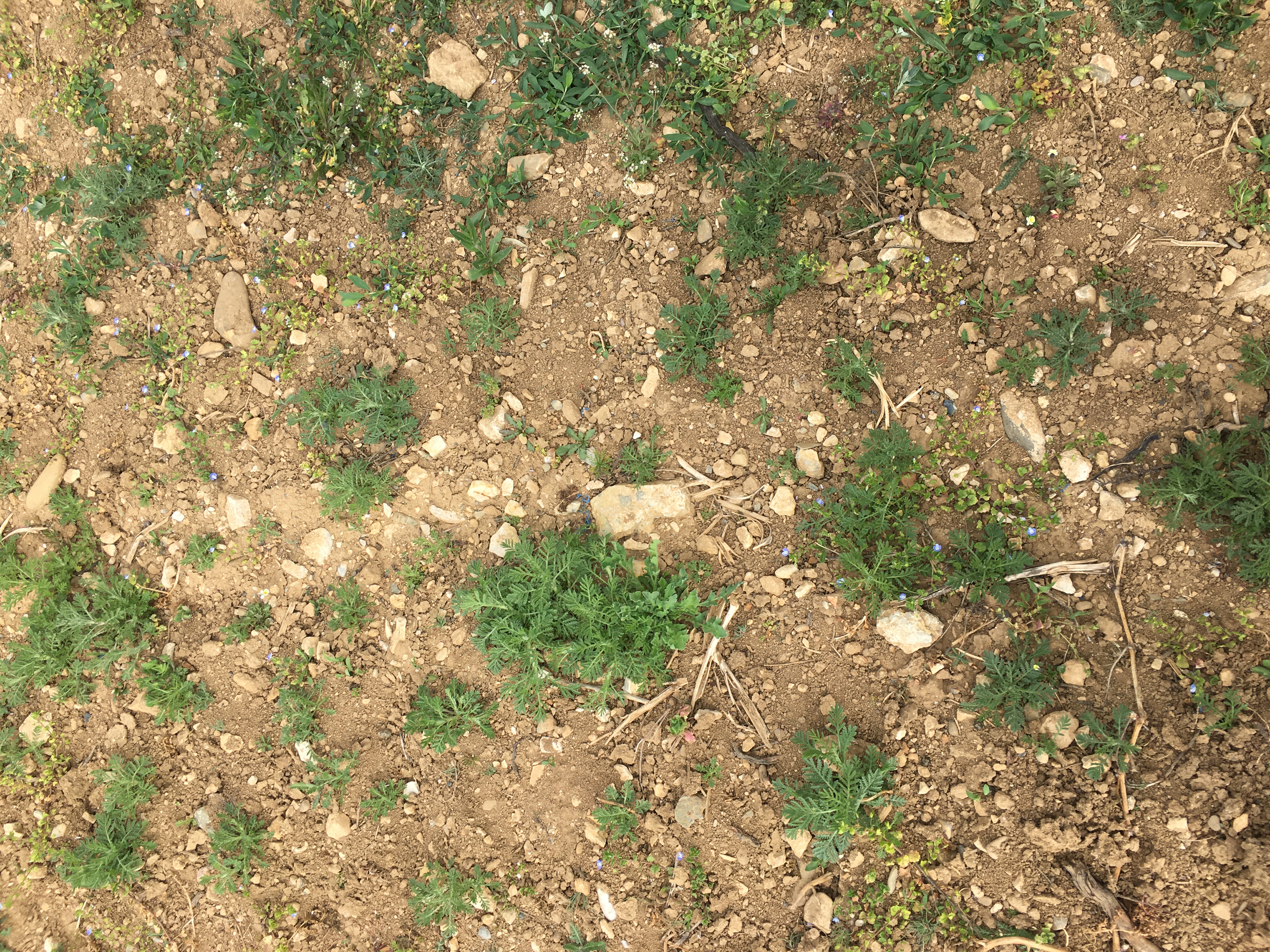
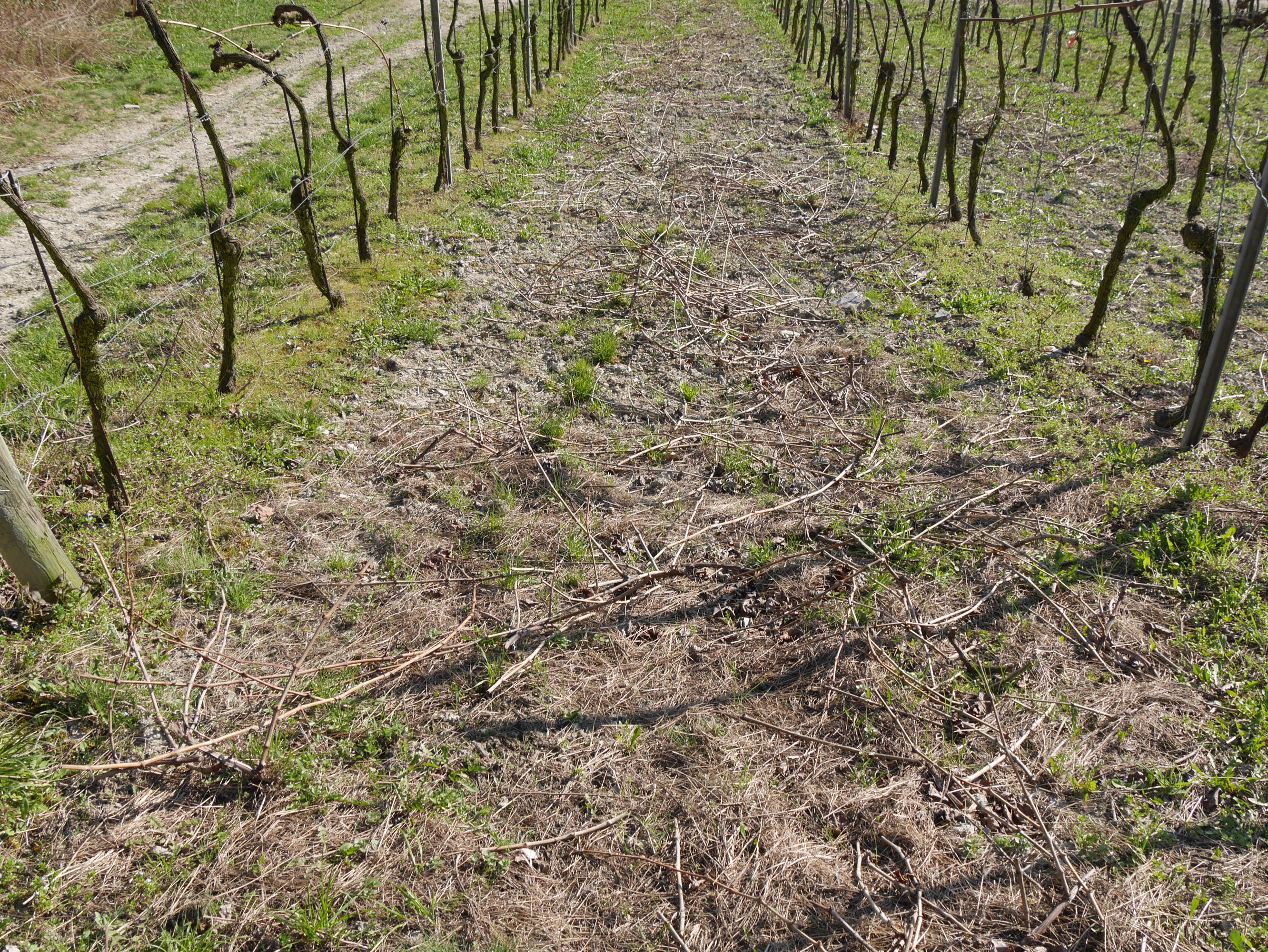
Where grass-dominated vegetation is present, thorough seedbed preparation is absolutely essential, e.g. by cultivating or tilling the soil once or twice
Where the aisles are kept open, a shallow tillage operation shortly before sowing is sufficient
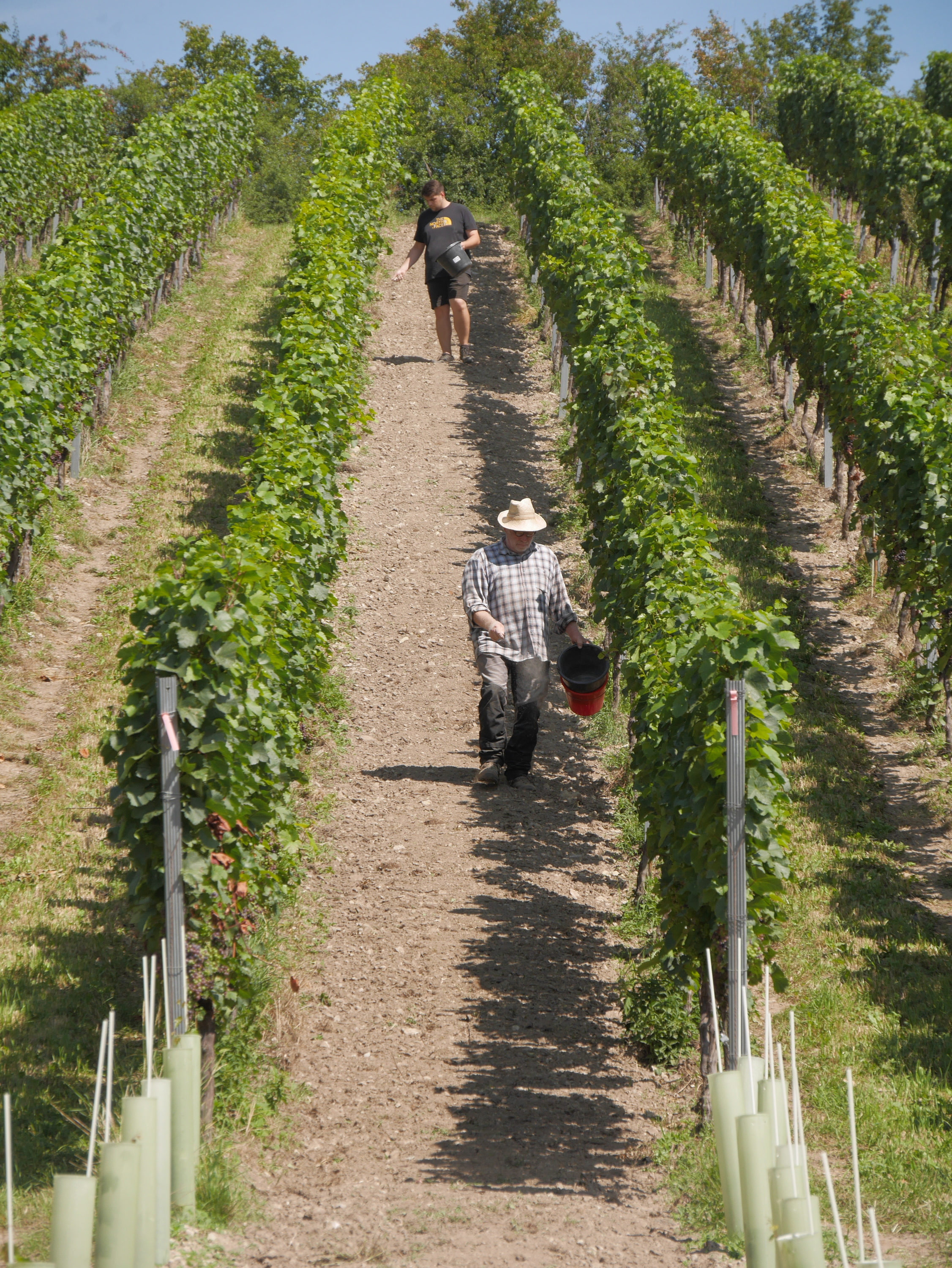
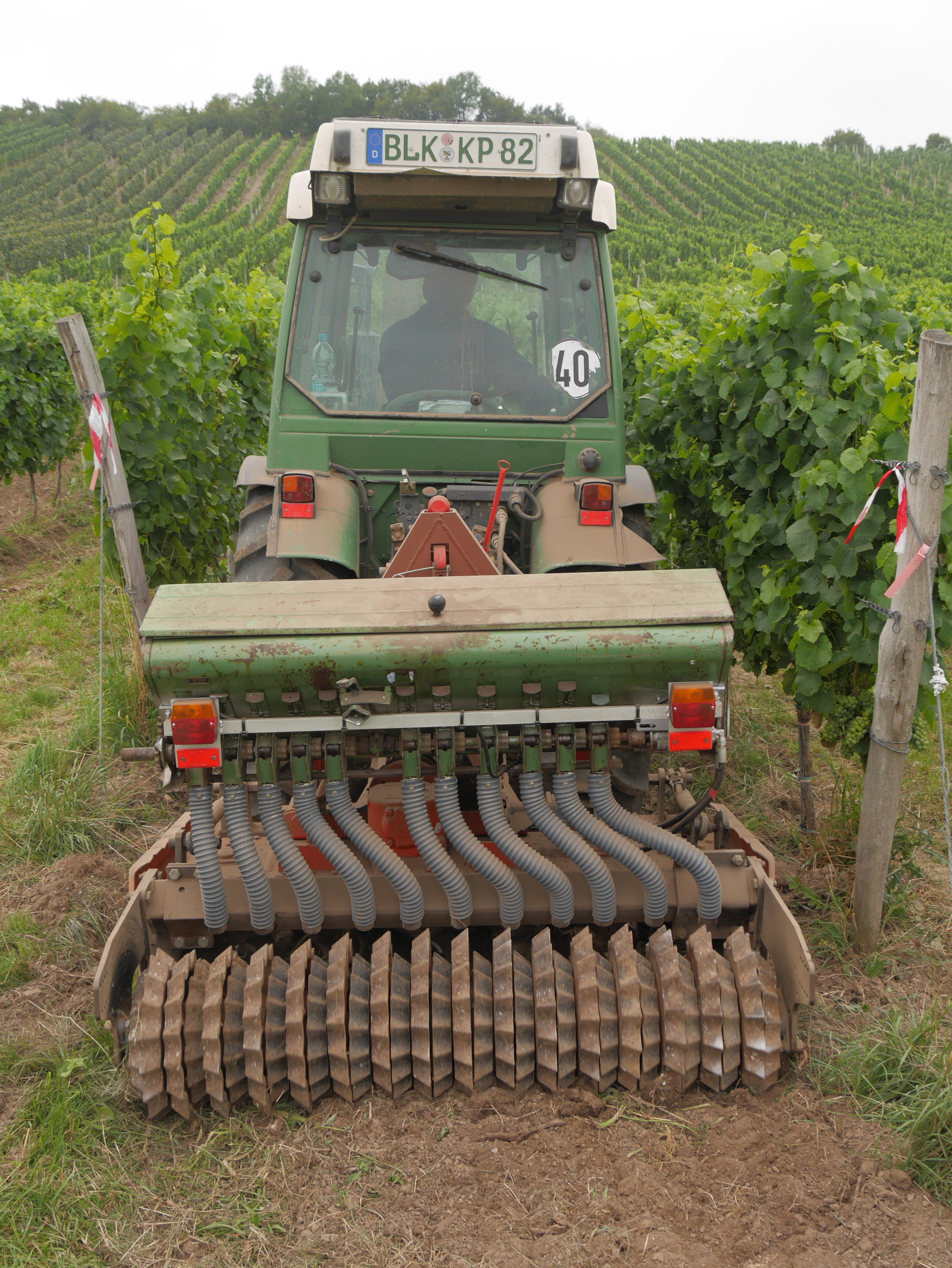
Surface sowing by hand, using a pneumatic seed drill or a drill (coarse-toothed wheels)
Sow seeds on the surface (light germinators)
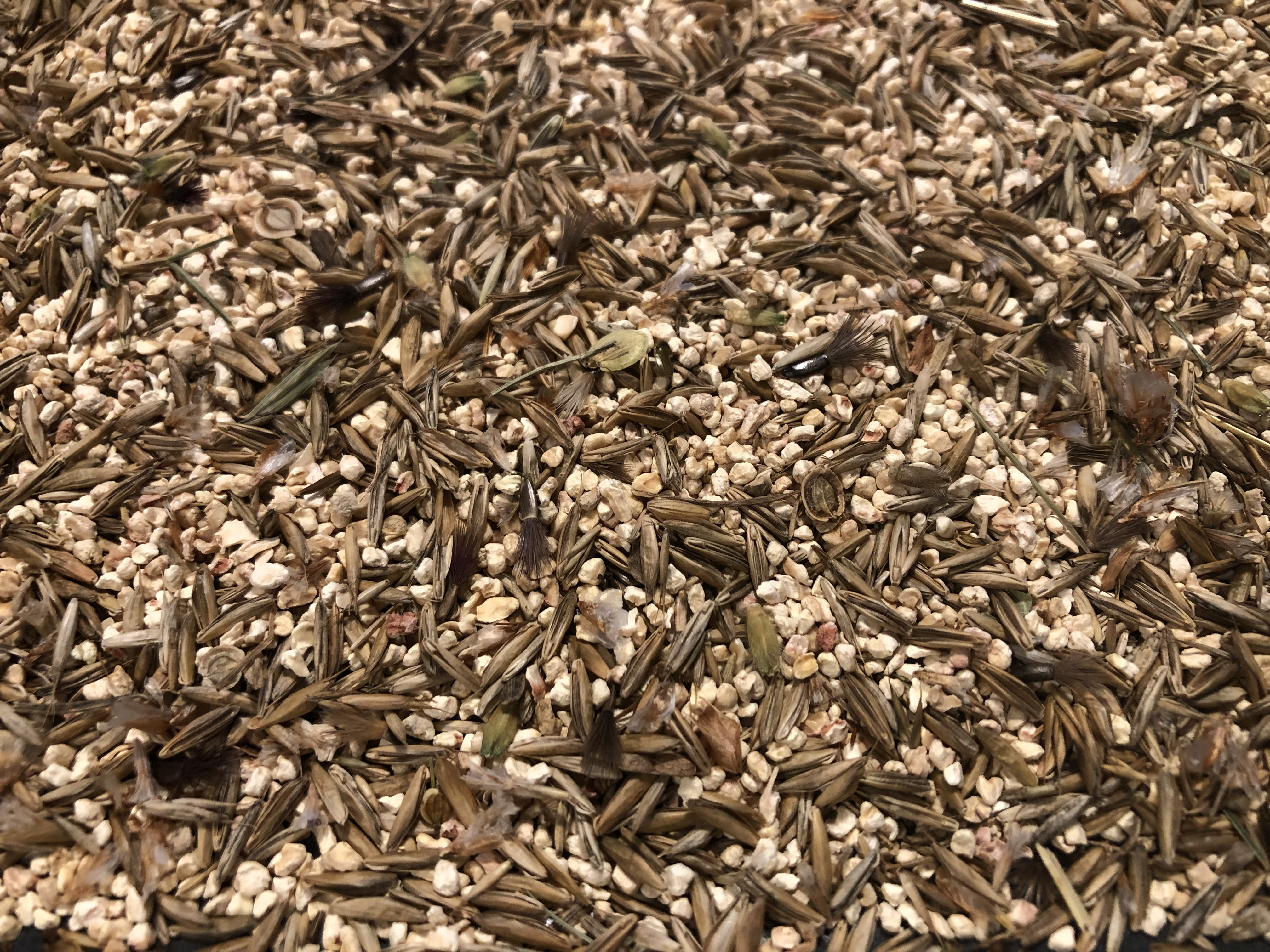
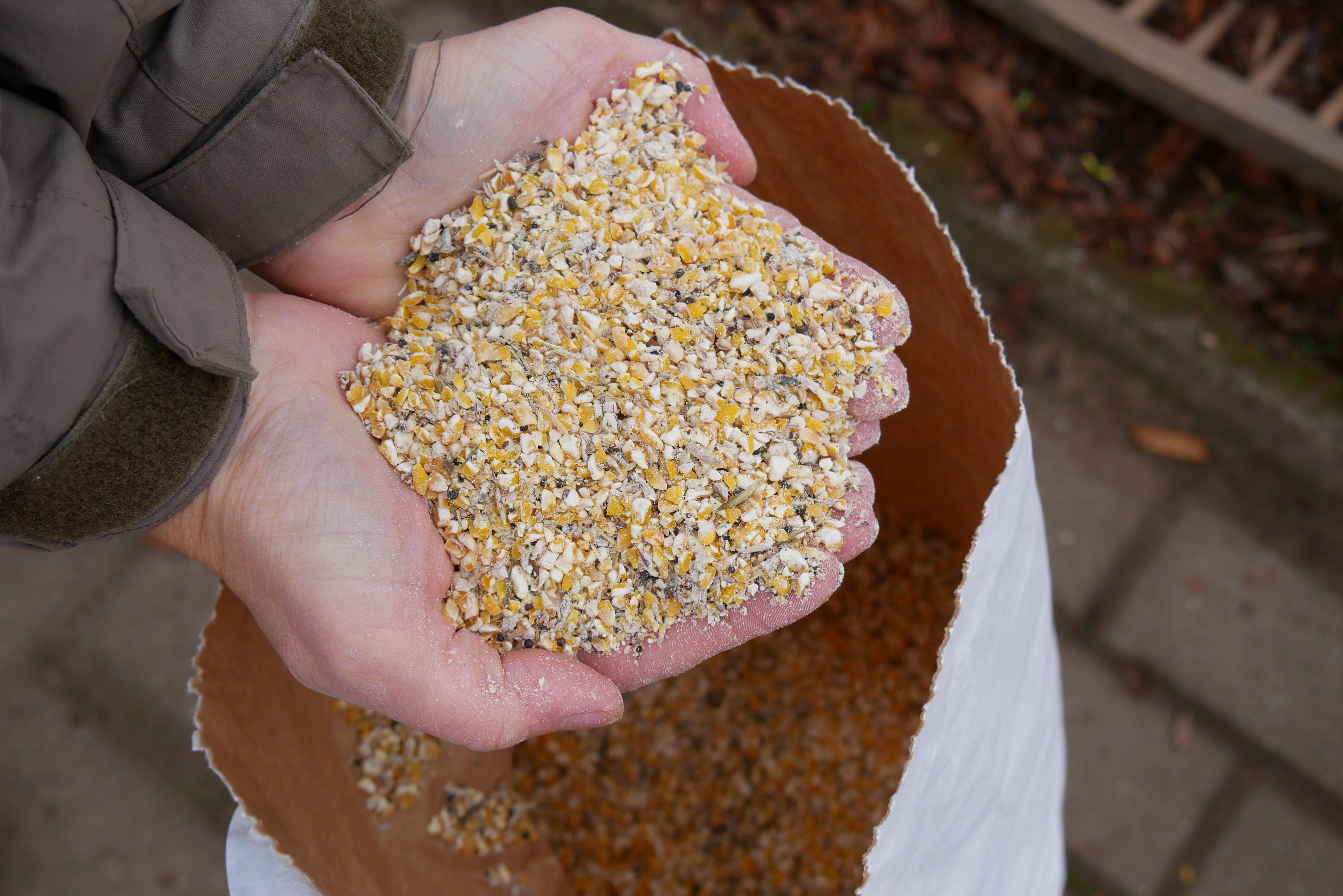
Do NOT drill in but only ‘trickle on’ -> the light-coloured pieces of the filler must be visible on top of the soil
Harrow + seed coulters up!
Note: Where the central strip and wheel tracks are sown separately (central strip approx. 80 cm, depending on the wheelbase of the machinery used in the vineyard; wheel tracks 35 cm each), the seed box must be divided accordingly
additional information: The seed must NOT be worked into the soil like other crops. Very shallow sowing on the soil surface is necessary due to the many light germinators.
Development maintenance in the 1st year after sowing
What?
Mulching or mowing twice (or up to three times), with the clippings removed, at a height of 10–15 cm (to protect the newly sown seedlings)
When?
in April/May and June/July, possibly in August
ideally: when the stand of unwanted (mostly annual) species is knee-high, so that they do not reach seed maturity
for autumn sowings, possibly still in the same year
Folgepflege ab dem 2. Jahr
What? Mulchen oder Mahd mit Abtransport in 10 cm Höhe der Hälfte der Biodiversitätsgassen (erst jede zweite Gasse, ca. 4 Wochen später die anderen)
When?
Erste Hälfte bis Mitte Mai, andere Hälfte etwa 4 Wochen später, wenn die zuvor gemulchten/gemähten Gassen bereits wieder blühen
auf sehr produktiven Standorten: ggf. zweite Mahd im August/September
Alternativ: Ab Knospenaufbruch bis zum Beginn der Traubenreife ist eine extensive Schafbeweidung mit Landschaftspflegerassen (Suffolk, Shropshire, Ouessant) möglich. Benachbarte Ausweichflächen (Streuobstwiesen, Grünland) sind von Vorteil.
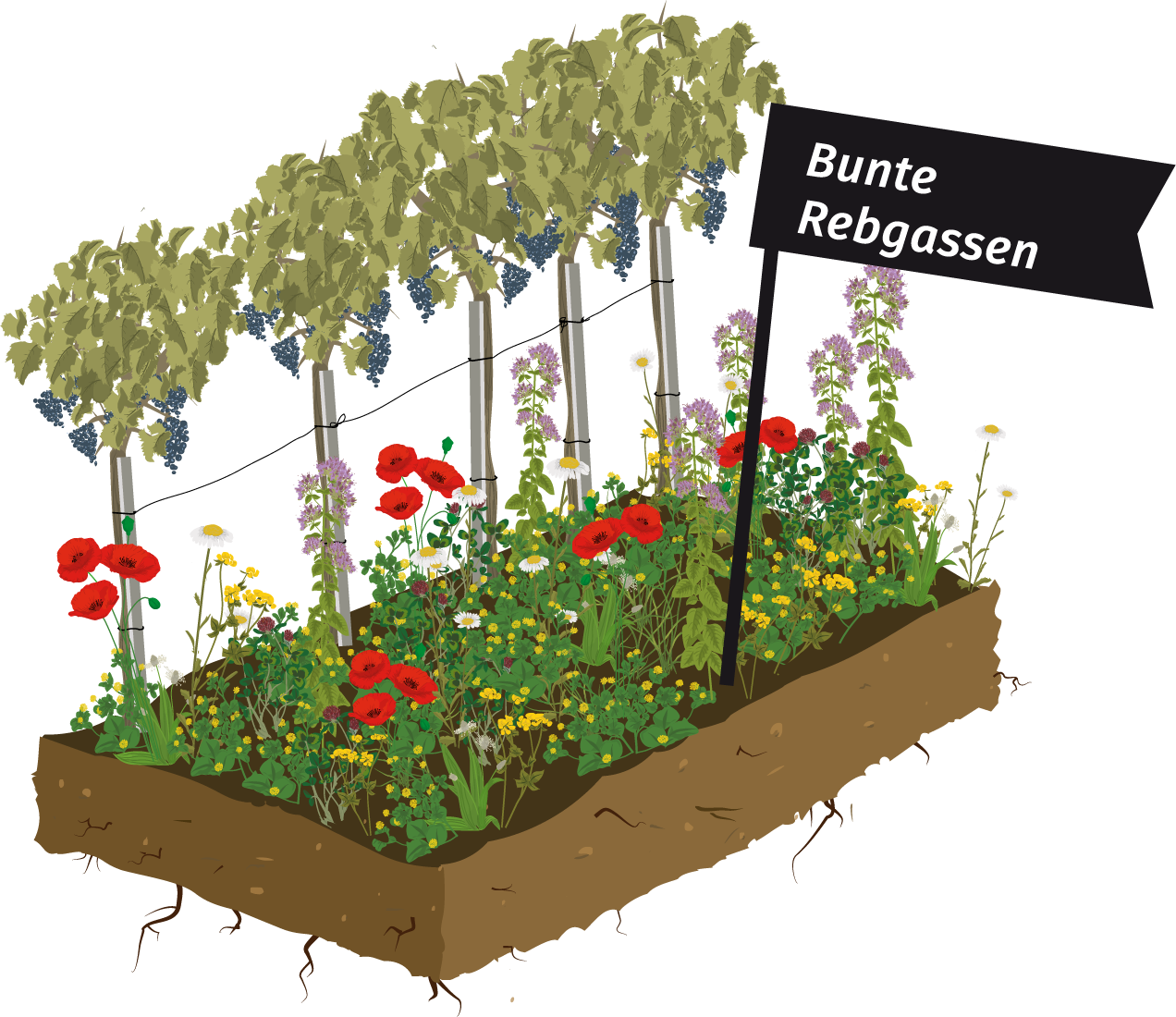
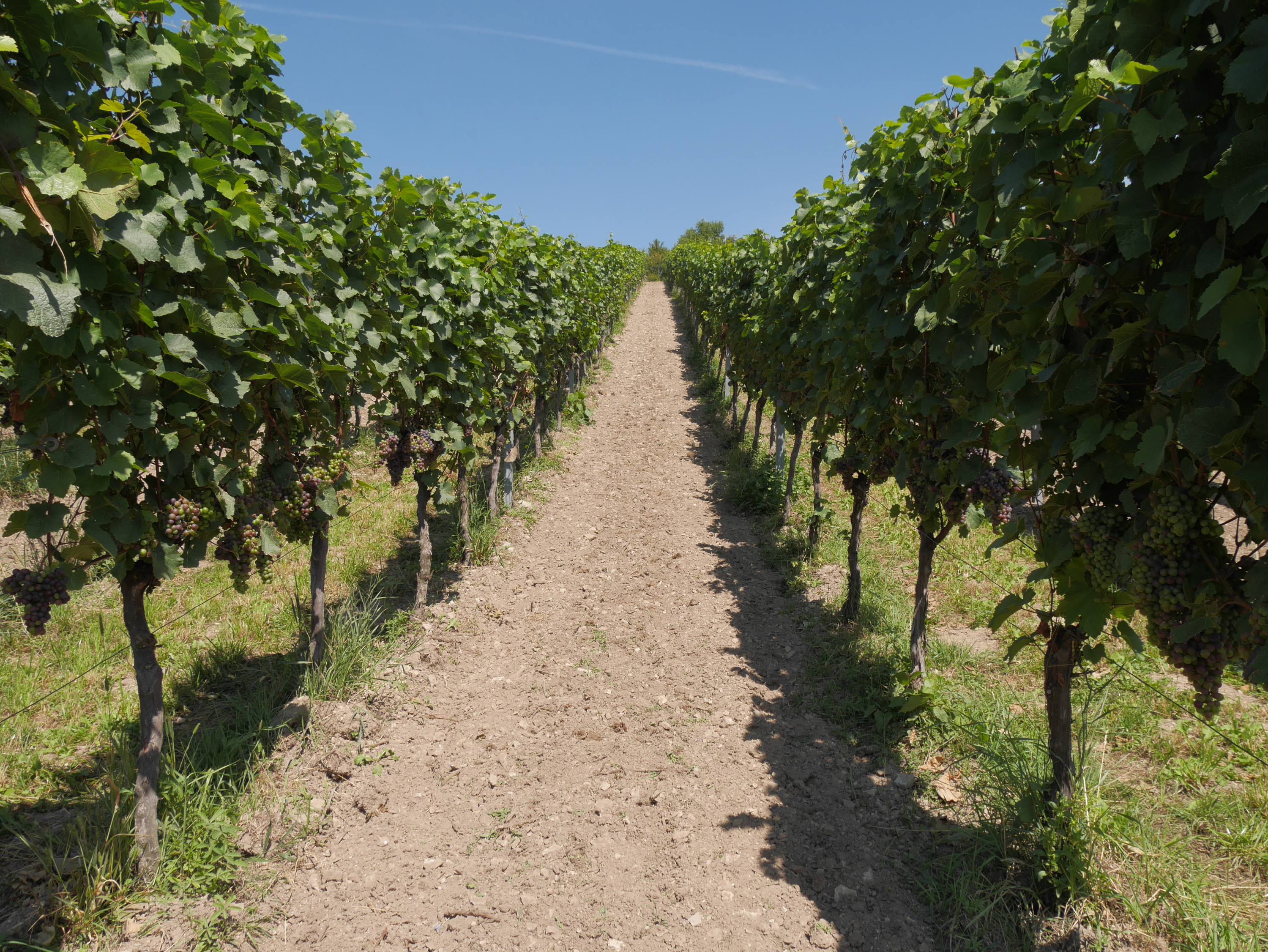
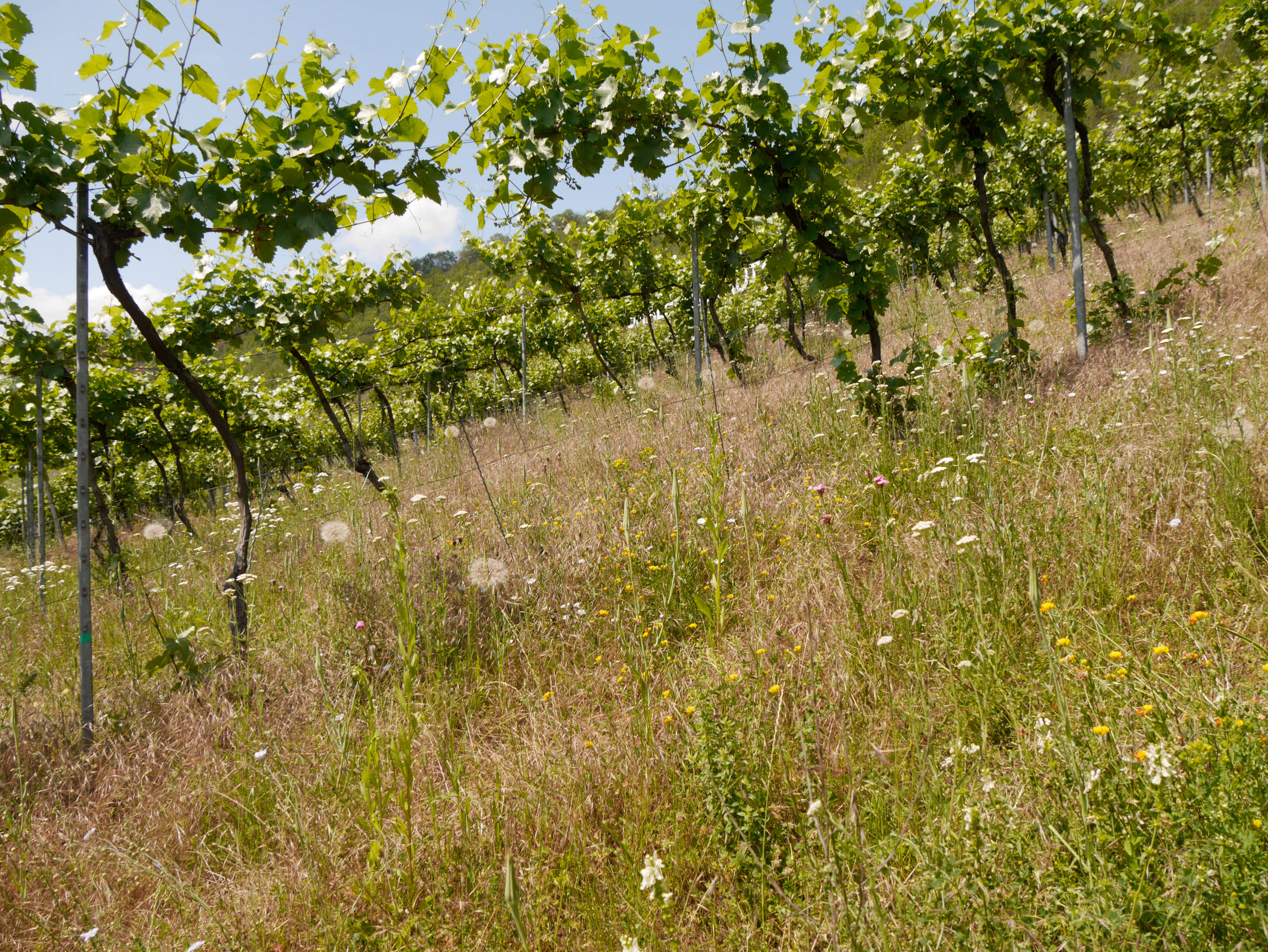
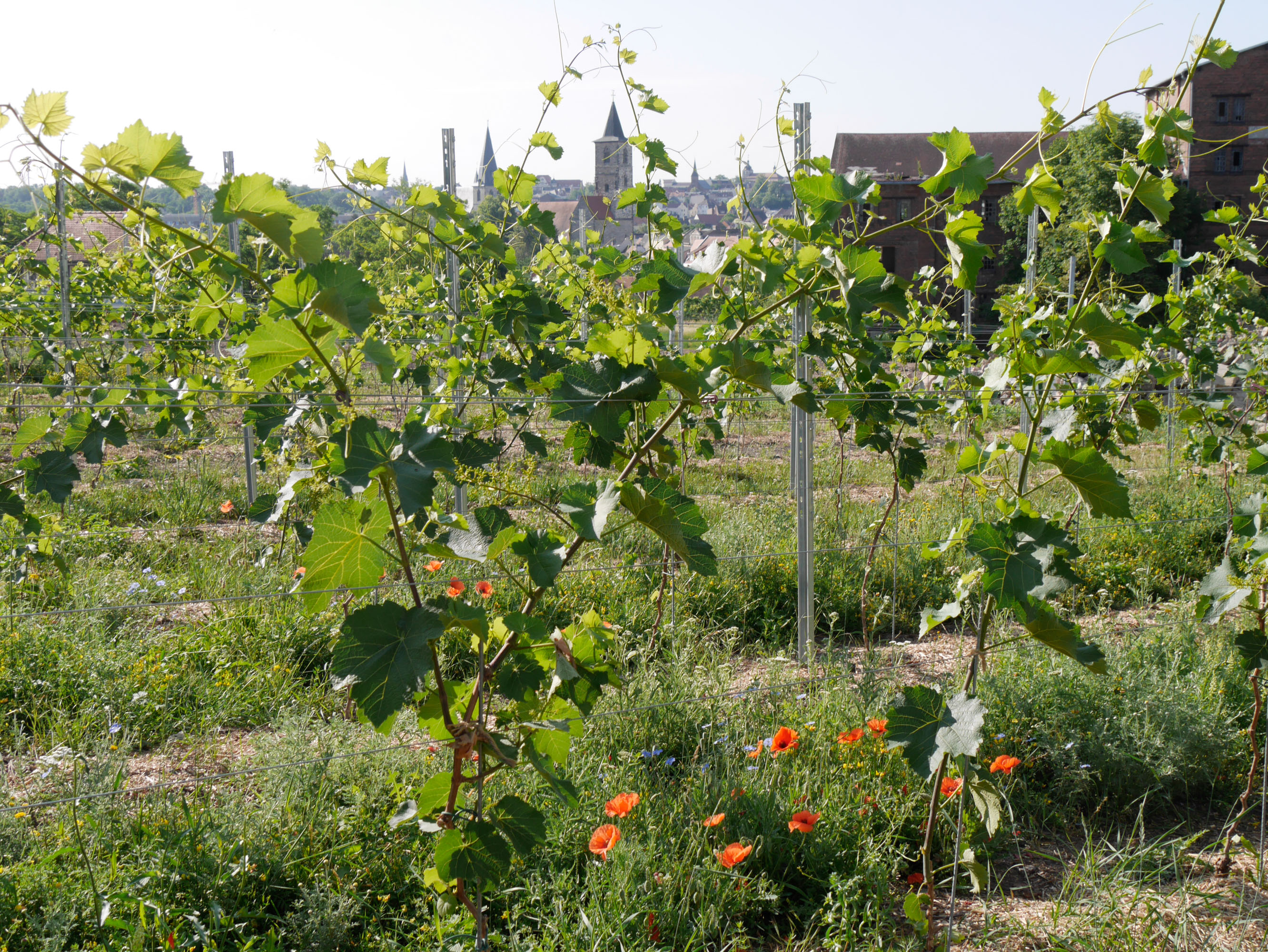
Establishing a diverse range of plant species and flowers in the vineyard provides better protection against erosion and promotes greater biodiversity. The native wild plants, which are well-suited to the site, provide valuable sources of nectar and pollen, particularly for wild bees and butterflies.
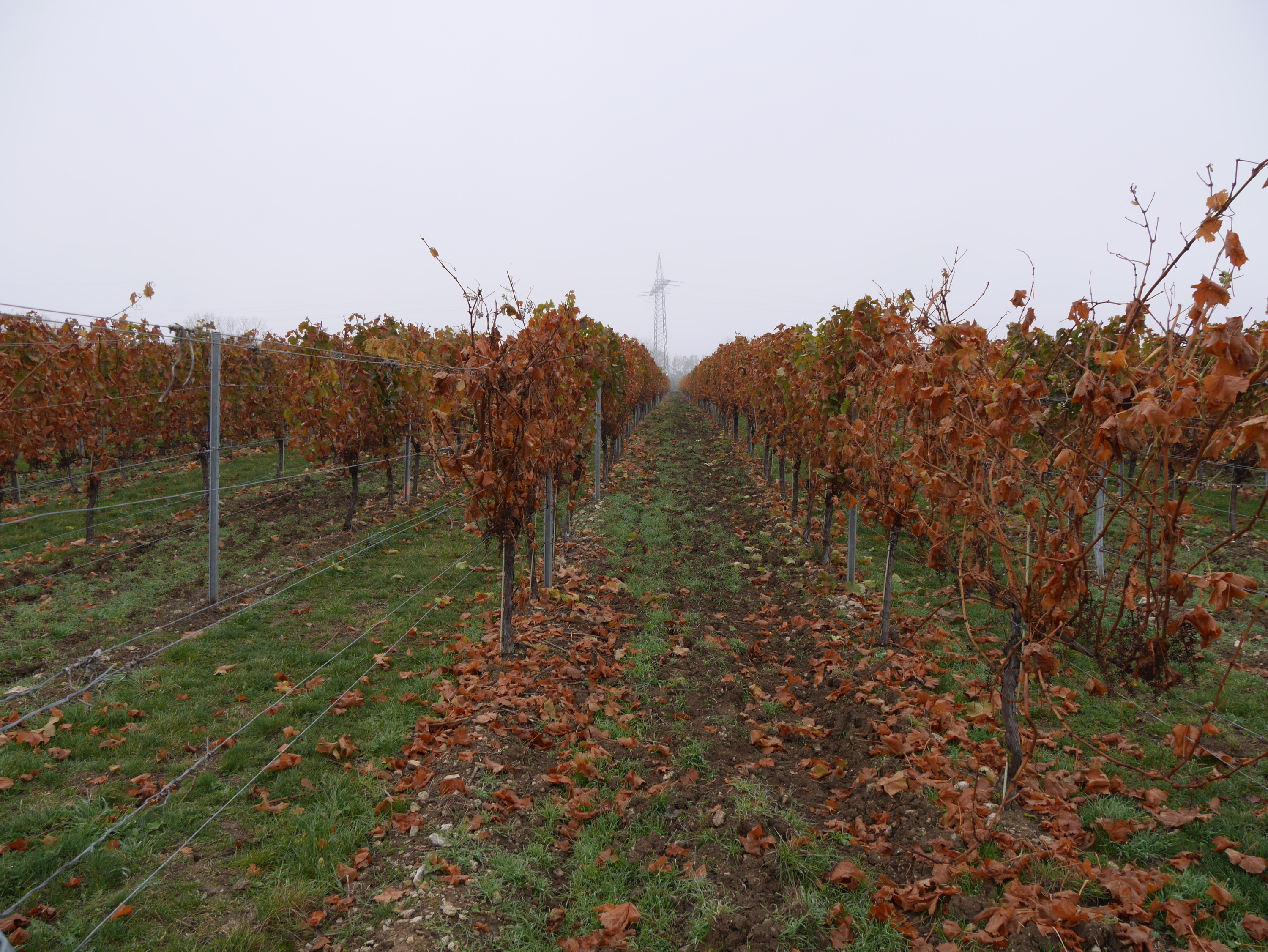
Where the area is frequently driven over, it is advisable to alternate biodiversity strips with access tracks, as wild plants generally take two years to become well established. After that, the access tracks can also be converted into biodiversity strips if required. Alternatively, only the central verges between the traffic lanes can be planted with species-rich wild herbs, whilst the traffic lanes themselves can be planted with less species-rich mixtures of hardy grasses and herbs.