at the same time as sowing the field and the following spring
Implementation step-by-step instruction
1. Site selection
Suitable are
favourable agricultural sites with dense vegetation
Fields of winter cereals or rapeseed
A minimum distance of 100 metres from taller structures, such as trees and buildings, as well as roads and paths
The pea patch should, where possible, be situated between tramlines or, at most, crossed by a single tramline
Not suitable are:
Locations with larger occurrences of problem weeds such as couch grass or creeping thistle
Size
at least 1600m²
Implementation
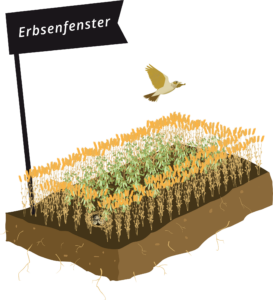
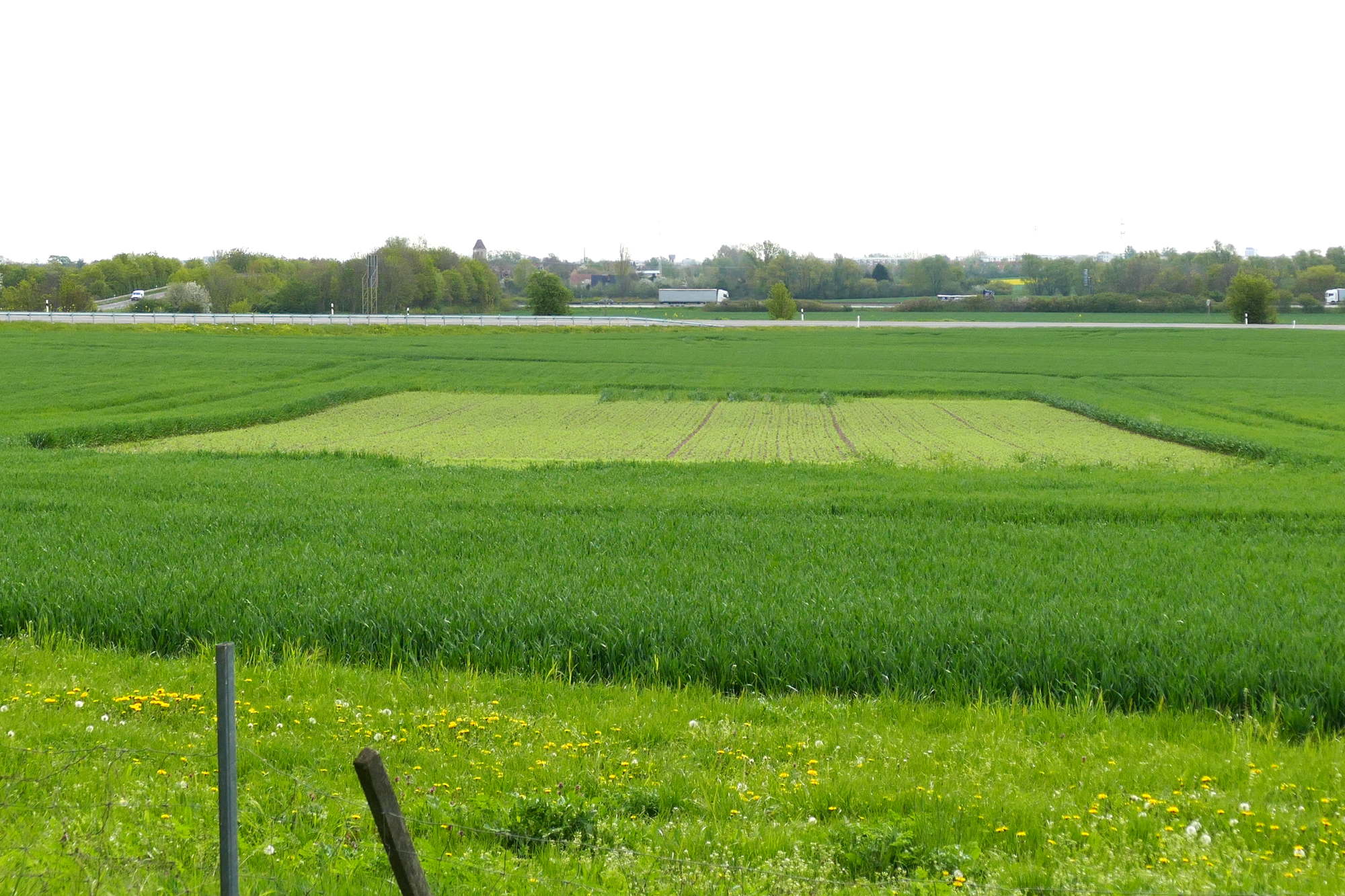
Leaving a gap for the pea patch when sowing winter cereals or rapeseed
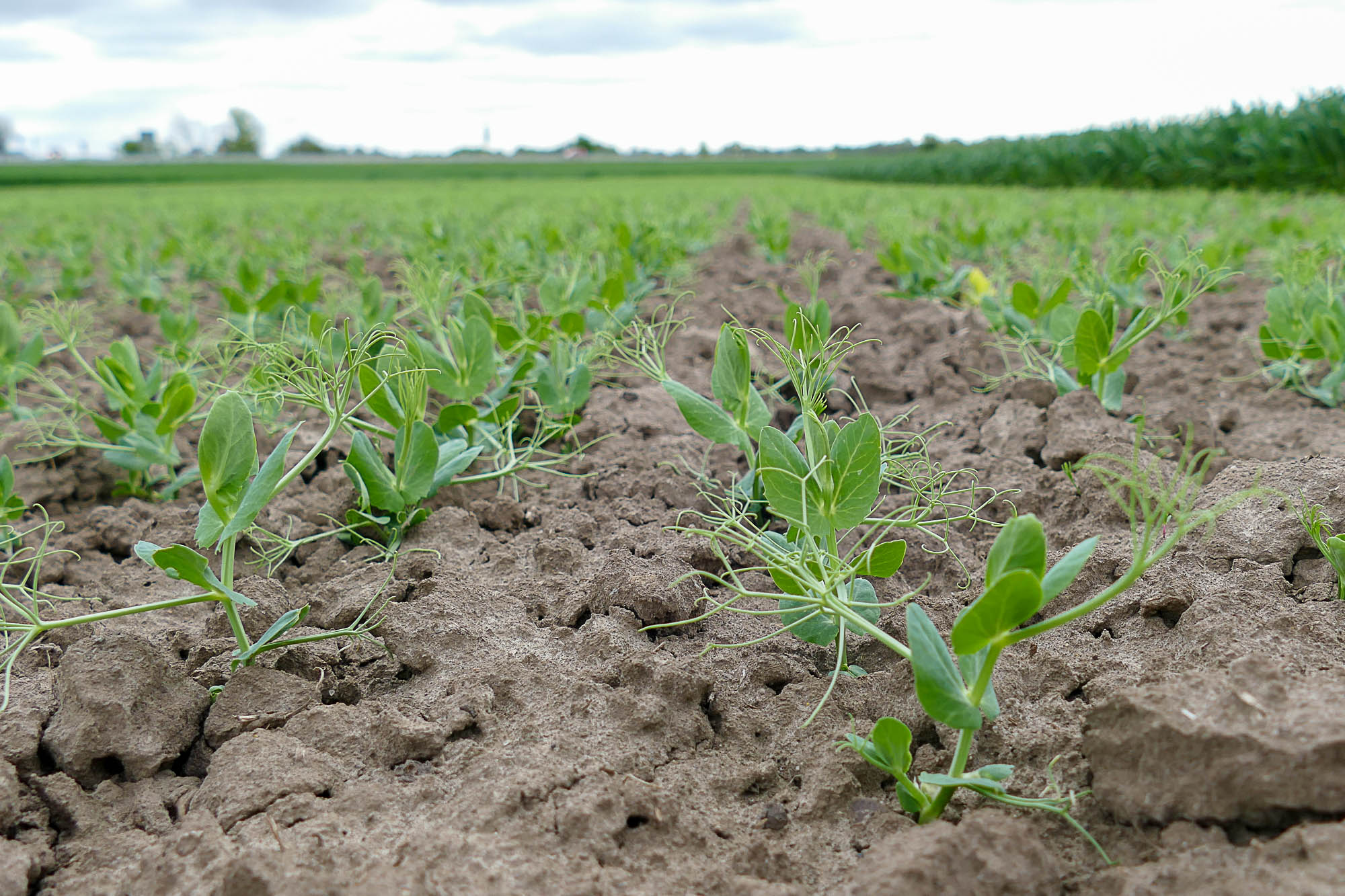
Sowing with peas or field beans in March of the following year
No use of fertilisers or pesticides in the pea patches
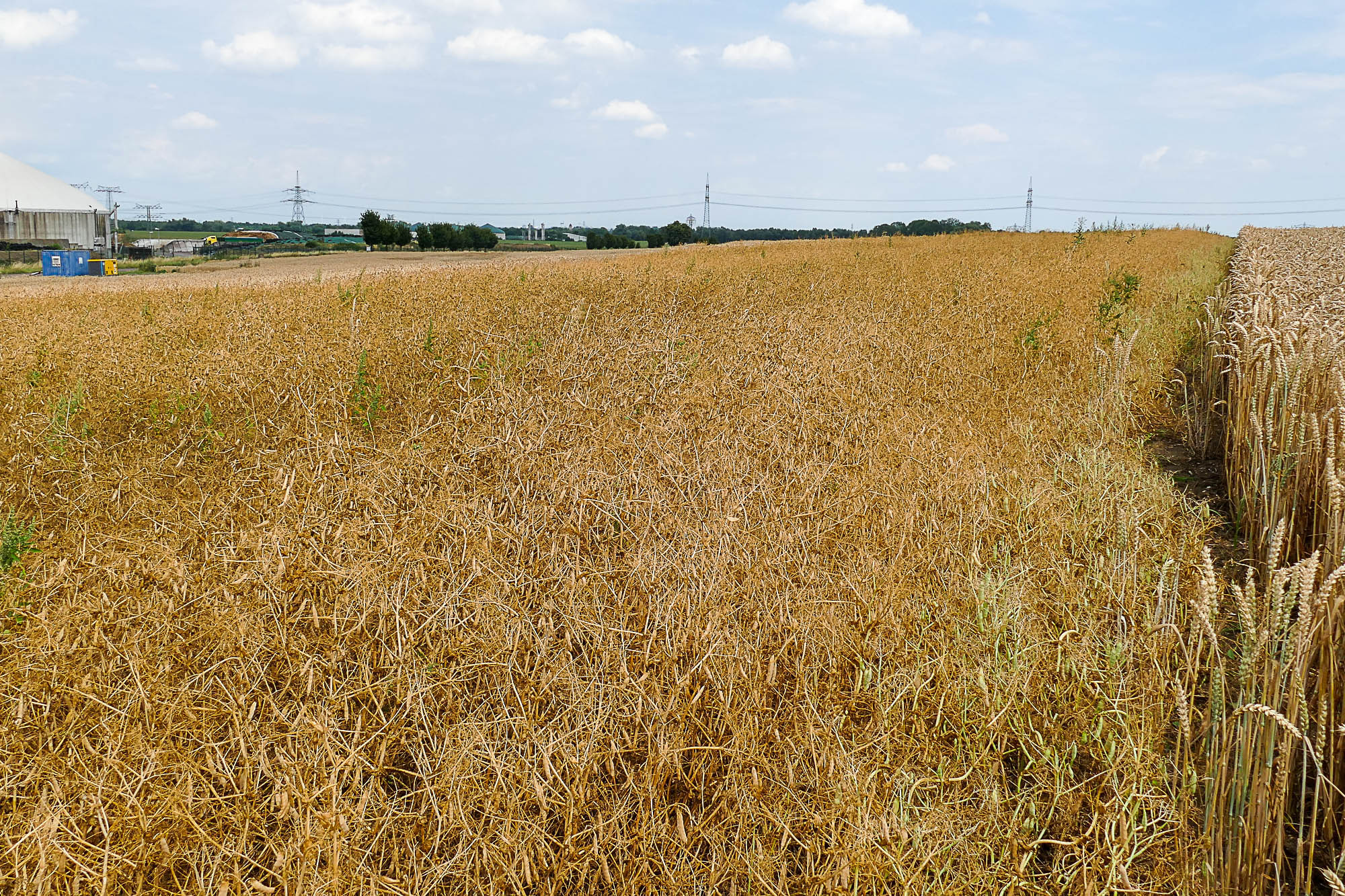
The windows must be left undisturbed until 15 August. After that, mulching and/or cultivating is permitted. It is possible to transition to the subsequent catch crop.
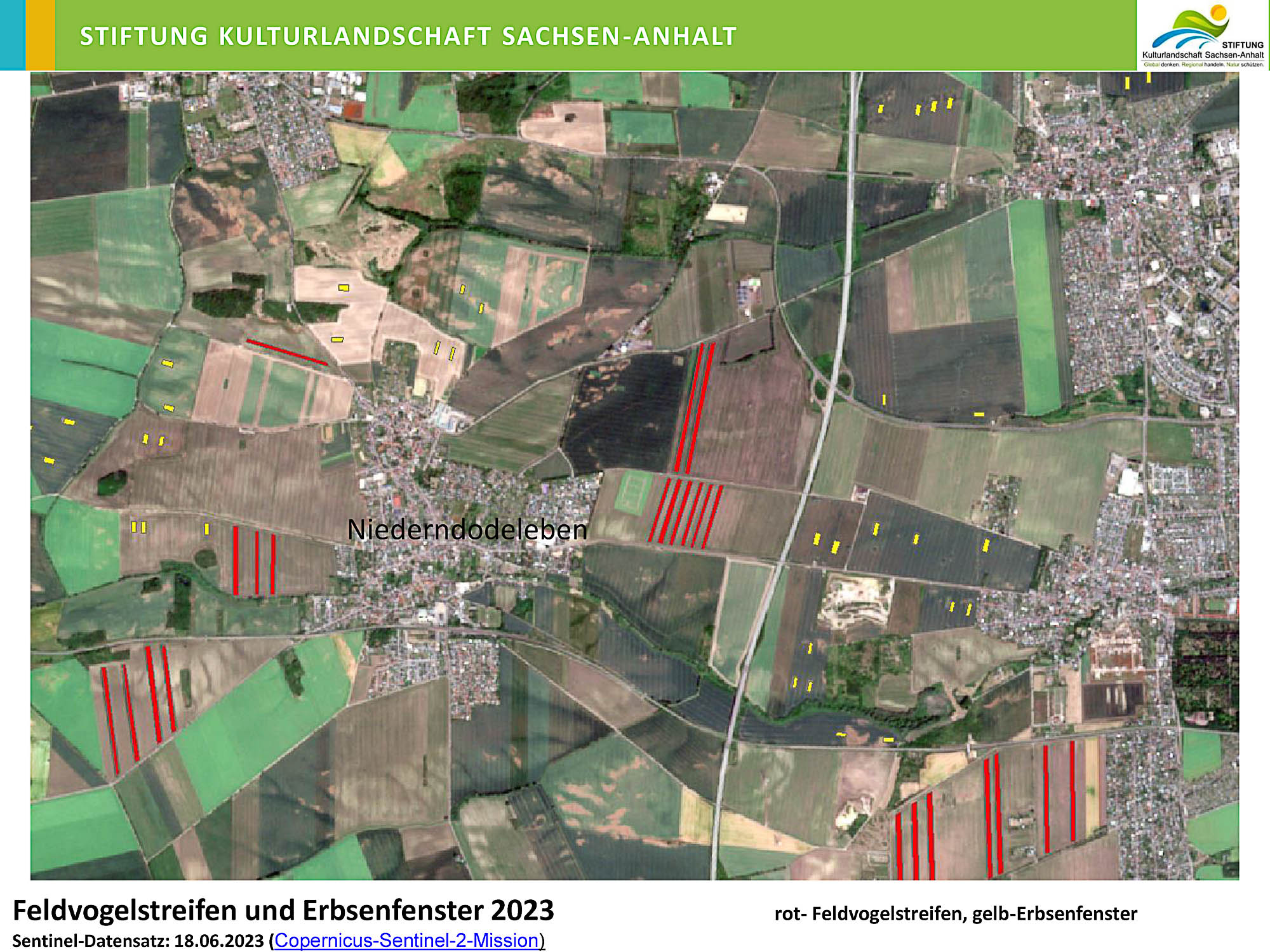
The positions of the windows may vary from year to year.
Pea patches are established for one year at a time within winter crops, such as in a wheat field. As the wheat is grown in a different field on the farm each year, the location of the pea patches also changes annually. To ensure a continuous supply of food and nesting sites for field birds, farmland bird strips can be established on this plot the following year.
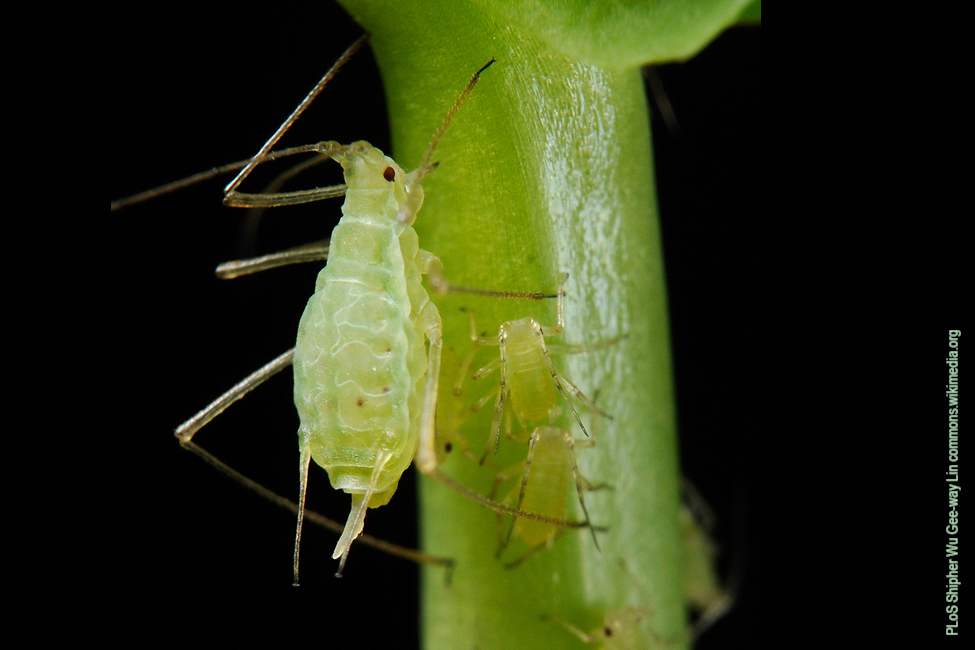
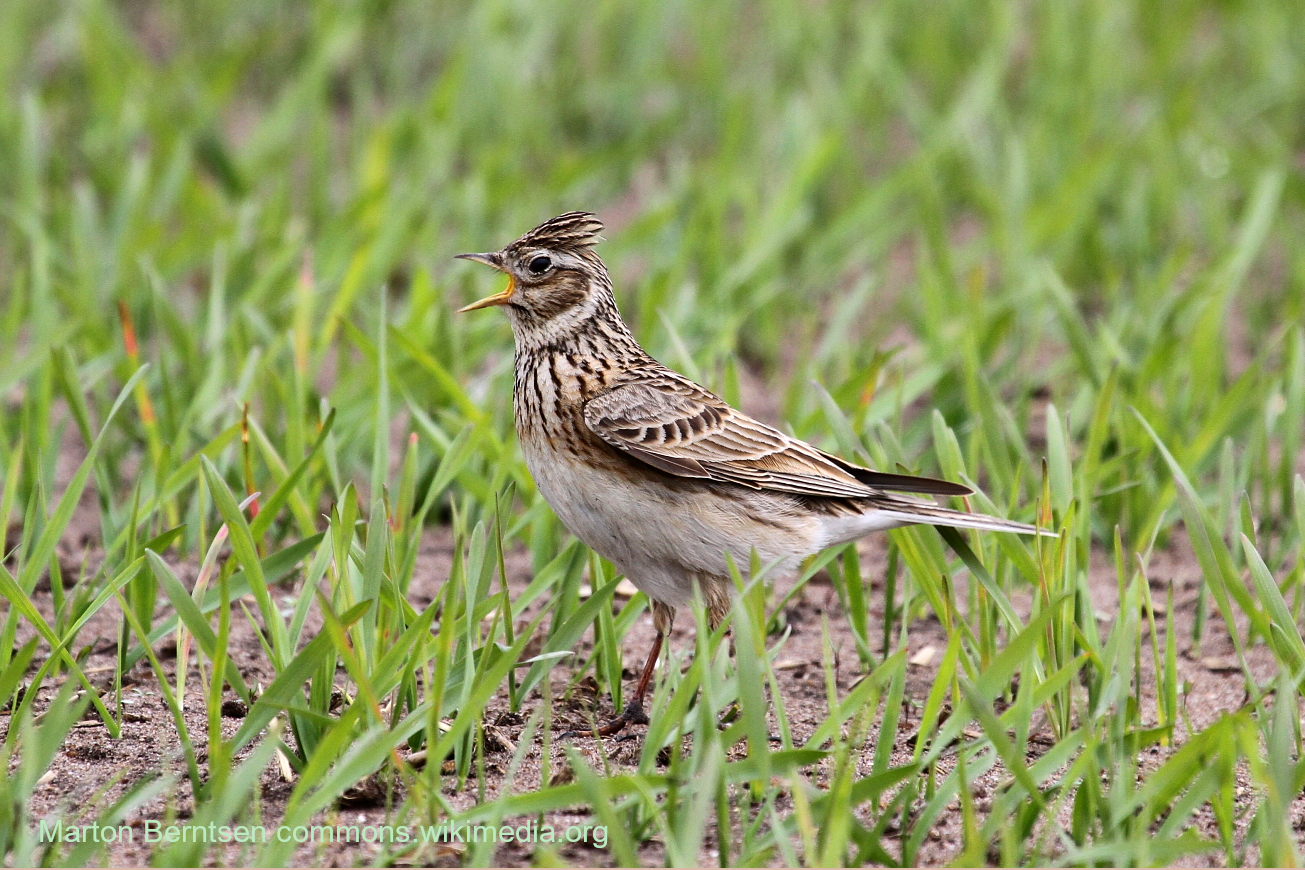
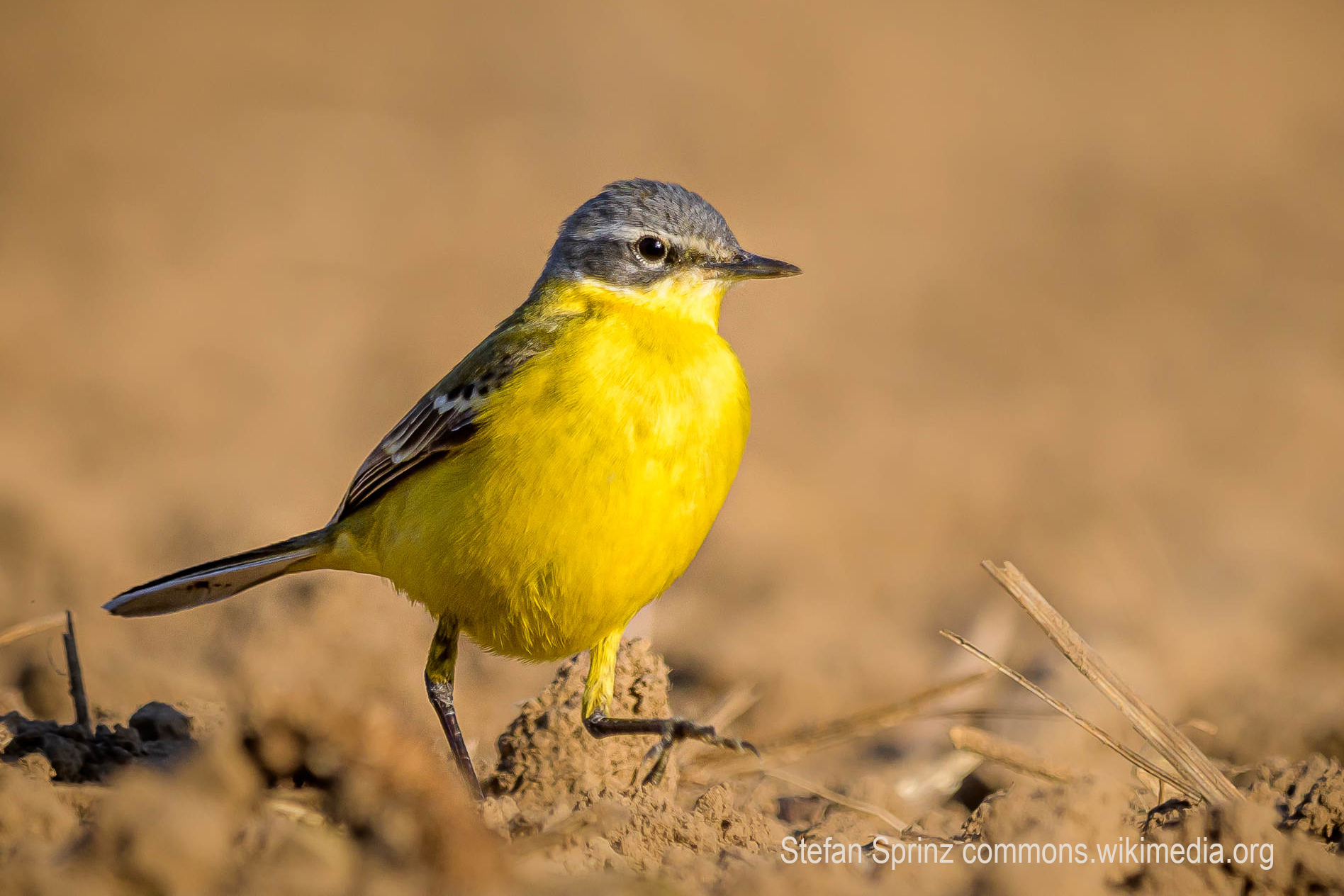
Pea patches provide an abundant food source (aphids, pea shoot tips) for field birds, such as skylarks and western yellow wagtails, throughout their entire breeding season (April to August): “Skylarks, for instance, prefer to nest in low vegetation, which can only be provided throughout the entire breeding season by a variety of crops with different growing seasons. The young pea plants not only offer alternative nesting sites within the dense winter cereal crops, but also enable skylarks and yellow wagtails to undertake a second or third brood after the surrounding main crop has been harvested. The pea patches therefore host on average around six times as many birds as the adjacent winter crops, which is attributable in particular to their popularity with skylarks and yellow wagtails.” (F.R.A.N.Z Zwischenbilanz 2023).
Furthermore, they also provide food and shelter for brown hares and European hamsters. Another benefit of this measure for a wide range of inhabitants of the arable landscape stems from the fact that the pea patches remain standing for considerably longer than the surrounding cereal crops. During this time, they provide valuable refuges and a food supply that lasts longer.